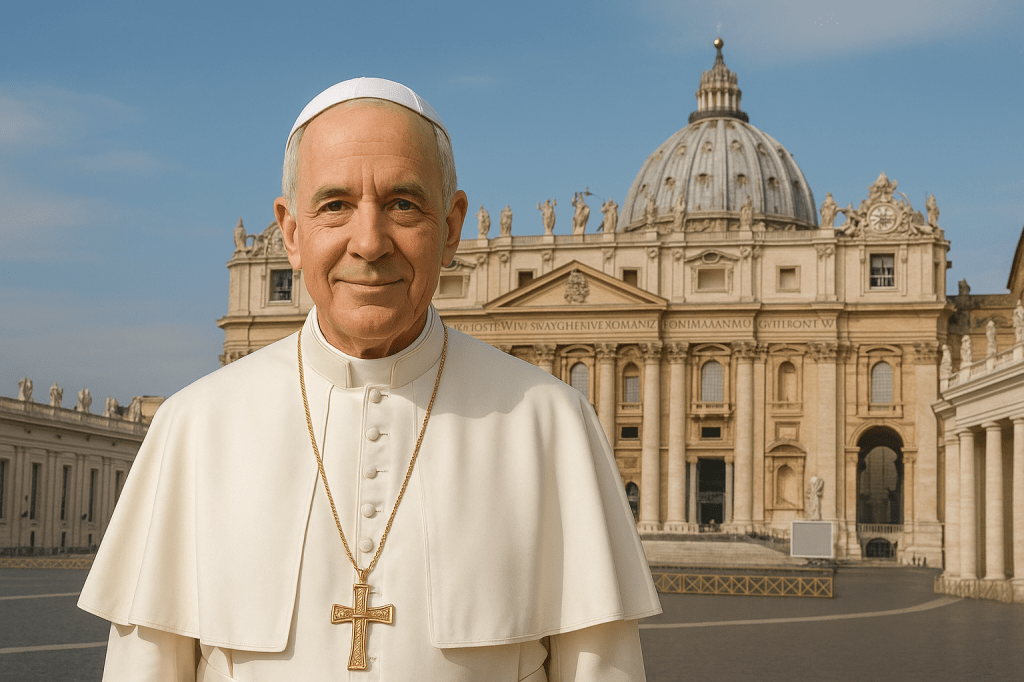
On May 8, 2025, the white smoke billowed from the Sistine Chapel, and the world was introduced to a new leader of the Roman Catholic Church—Pope Leo XIV, formerly Cardinal Robert Francis Prevost. His election marks a series of historic firsts: the first American pope, a Peruvian citizen by naturalization, and a former missionary deeply rooted in the social struggles of Latin America. His ascension comes at a time of significant global and ecclesial uncertainty, and it sets the stage for a papacy that is likely to shape the moral conversation of the coming decade.
A Career of Global Service and Grounded Ministry
Robert Francis Prevost was born in Chicago in 1955. A member of the Order of Saint Augustine, he spent over two decades in Peru, where he served as seminary director, parish priest, and later as bishop of Chiclayo. His missionary experience embedded him in the lives of the poor and the working class, shaping his deeply pastoral, socially engaged worldview.
In 2023, he was called to Rome to head the Dicastery for Bishops, where he oversaw episcopal appointments worldwide. Known for his humility, administrative competence, and theological depth, he was elevated to the rank of cardinal that same year. Despite not being among the most mentioned papabili (likely candidates), he emerged as a consensus choice among the cardinals—likely for his ability to bridge divides between progressive and traditional elements in the Church, and his clear moral compass grounded in lived experience.
Why the Cardinals Chose Him
Pope Leo XIV’s election most likely reflects the cardinals’ desire for a leader who could:
- Build continuity with the reform-oriented legacy of Pope Francis;
- Maintain doctrinal orthodoxy while remaining pastorally compassionate;
- Strengthen the Church’s credibility in the Global South and restore trust in the West;
- Speak with clarity on moral issues facing humanity—especially poverty, migration, and climate change.
In a fractured world and an often polarized Church, Cardinal Prevost offered a steady, humble, and globally minded profile for the Catholic faithful.
Immediate Challenges Facing Pope Leo XIV
As Pope Leo XIV assumes leadership of the Church, several pressing issues await him:
- Restoring Trust Post-Abuse Crisis – Strengthening accountability and enforcing global safeguards against clerical abuse remain urgent.
- Reviving Faith in the West – The decline of church attendance and vocations, particularly in Europe and North America, requires pastoral creativity and bold evangelization.
- Guiding the Church Through the Synodal Path – He must balance unity and diversity as the Church explores broader participation of laity and women in Church life.
- Responding to Global Injustice – From migration and war to ecological degradation, the Pope’s moral voice is needed to challenge indifference and advocate for peace and dignity.
The Papacy and the Trump Administration: Points of Tension
Pope Leo XIV’s past criticism of Vice President J.D. Vance—especially Vance’s attempt to invoke Christian teachings to justify harsh immigration policies—suggests early signs of moral tension with the Trump administration. The Pope, then still a cardinal, publicly shared his disapproval, challenging leaders to uphold Christ’s call to love the stranger and care for the vulnerable.
This divergence is likely to deepen as the papacy of Leo XIV progresses. The Trump administration’s transactional approach to foreign policy, its perceived alignment with corporate elites over ordinary citizens, and its often blunt rhetoric on global affairs stand in contrast to Pope Leo’s vision of inclusive solidarity, ethical leadership, and compassionate governance.
Implications for U.S.-Vatican Relations and Global Perception
If the Trump administration continues to sideline moral diplomacy in favor of nationalist or plutocratic policies, Pope Leo XIV’s voice may further underscore the growing moral disconnect between American leadership and the broader international community.
Rather than isolating the Vatican, such a divergence could have the effect of spotlighting the Vatican as a counter-voice of moral credibility—especially on issues like peace, economic justice, and climate ethics. It may also further weaken America’s global soft power, especially in the developing world, where the Church remains a deeply trusted institution.
A Sobering Biblical Parallel
God warned ancient Israel, “I will break the pride of your power” (Leviticus 26:19), and in another place, He foretold that His disobedient people would become “the tail and not the head” (Deuteronomy 28:44). These warnings directed to Israel of ancient times and that of today, underscore a timeless principle: when nations act unjustly and pridefully—abandoning moral responsibility—God allows their influence to wane.
If America’s policies remain at odds with ethical norms and divine principles, and if it continues to marginalize the vulnerable in pursuit of transactional gains, it risks becoming morally irrelevant on the world stage. Pope Leo XIV’s papacy may serve as a prophetic mirror reflecting that divergence—and the twilight of America as a real superpower.

Leave a comment