In a world flooded with information, the ability to discern truth from fiction has become one of the most critical leadership traits. Yet even the most powerful leaders, with access to the world’s top intelligence, can fall prey to misinformation—and the consequences are often felt not just in diplomatic circles but in the lives of ordinary citizens.
One recent and striking example is U.S. President Donald Trump’s repeated engagement with false or unverified information, including during high-level meetings with other national leaders. But this phenomenon is not new, nor unique to him. Throughout history, leaders have believed—or chosen to act upon—falsehoods. Sometimes, according to Scripture, this is allowed by God as part of divine judgment on nations. In such times, the people must turn to God, seek wisdom in leadership, and commit to lives of prayer and peace.
President Trump and the Echo Chamber of Misinformation
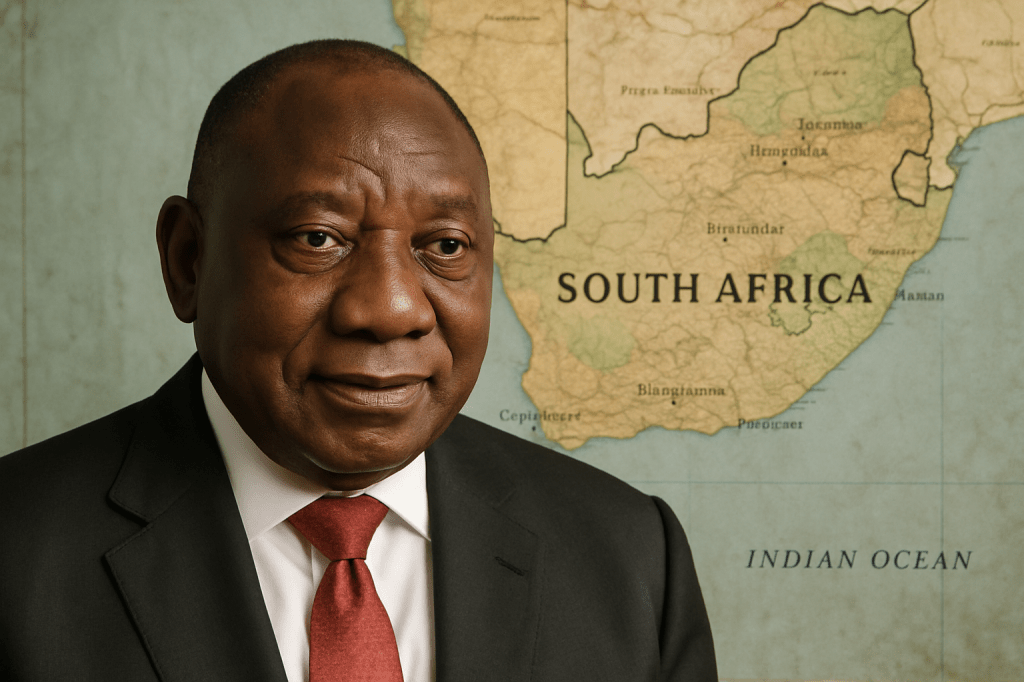
President Donald Trump has shown a recurring tendency to promote narratives that are either misleading or entirely false, particularly when these narratives align with his political worldview. This was most recently demonstrated in his May 2025 Oval Office meeting with South African President Cyril Ramaphosa. Trump confronted Ramaphosa with false claims that white farmers in South Africa were victims of genocide—a claim long debunked by journalists, researchers, and the South African government itself.
The evidence Trump presented included a Reuters video taken not in South Africa, but in the Democratic Republic of Congo. President Ramaphosa clarified that while violent crime is a serious issue in South Africa, it affects all races, and there is no campaign of racial extermination against white citizens. Nonetheless, Trump’s views remained unchanged, and he even moved forward with policies offering refugee resettlement to white South African farmers based on those claims.
This was not an isolated incident. Trump has also:
- Repeated Kremlin-aligned narratives to Ukrainian President Volodymyr Zelenskyy, claiming Ukraine provoked Russia’s war.
- Alleged that Japan could not handle large-scale immigration and made racially charged comments to Prime Minister Shinzo Abe.
- Publicly contradicted U.S. intelligence assessments in front of Russian President Vladimir Putin, casting doubt on the conclusion that Russia interfered in the 2016 election.
Why Do Leaders Believe Falsehoods?
Several factors contribute to this pattern of misinformation at the highest levels:
- Confirmation bias: Leaders, like anyone else, are inclined to believe what supports their views.
- Distrust in institutions: Trump often expressed suspicion of the U.S. intelligence community, viewing it as part of a “deep state” conspiracy.
- Political strategy: Misinformation can be a tool for mobilizing political bases.
- Echo chambers: When advisers and media consumption reinforce a narrow viewpoint, dissenting facts are filtered out.
Not Just Trump: Historical Echoes
History provides numerous examples of leaders acting on false information—with devastating effects:
- President George W. Bush launched the Iraq War on the false belief that Saddam Hussein had weapons of mass destruction.
- British Prime Minister Neville Chamberlain trusted Hitler’s promise of peace after annexing the Sudetenland, only for WWII to erupt shortly after.
- Vladimir Putin believed Ukraine would fall swiftly to Russian military pressure in 2022—a grave miscalculation that led to a protracted war.
- Jair Bolsonaro, former president of Brazil, downplayed the COVID-19 pandemic as a mild flu, leading to preventable deaths.
In each case, the causes included flawed intelligence, political calculations, or misjudgments. The effects ranged from war to global health crises, and from loss of life to long-term damage to a nation’s credibility and stability.
A Form of Judgment
From a biblical standpoint, when leaders believe lies or are given over to deception, it is sometimes a sign of divine judgment—not just on the leaders themselves but on the nations they lead. Scripture reveals this dynamic in stories like:
- Ahab and the lying spirit (1 Kings 22): God allowed a deceiving spirit to speak through prophets to mislead King Ahab to his downfall.
- Rehoboam’s pride (2 Chronicles 10): He ignored wise counsel, believing what pleased him, and the kingdom was divided.
- Romans 1:28 speaks of people being given over to a “debased mind” when they reject God.
When leaders reject truth and act on falsehoods, it often reflects a moral condition not just in the palace but in the people. It is a wake-up call for national repentance.
What Can Citizens Do?
In such times, people are not powerless. Scripture urges believers to:
- Return to God (Zechariah 1:3): National healing begins with personal repentance.
- Pray for leaders (1 Timothy 2:1-2): Even when they err, our prayers can influence their decisions and preserve peace.
- Seek God’s guidance when choosing leaders (Proverbs 3:5-6): Wise governance begins with divine direction.
- Live in peace (Romans 12:18): Christians grow through obedience, even in times of national turmoil.
Truth, Leadership, and the Call to Wisdom
The pattern of world leaders falling for false information is not new—but it is dangerous. Whether it results in war, oppression, or decay, the consequences ripple across generations. But God does not leave His people without a response. He calls on them to be discerning, prayerful, and faithful. Ultimately, peace and wisdom are not found in politicians but in obedience to God’s truth.

Leave a comment