Category: Philippines

  • When the Ground Trembles: Lessons from the 6.9 Magnitude Cebu Earthquake

    When the Ground Trembles: Lessons from the 6.9 Magnitude Cebu Earthquake

    At 3:27 a.m. last October 3, the people of Cebu and neighboring provinces were jolted awake by a powerful magnitude-6.9 earthquake. Buildings shook, walls cracked, and frightened residents poured into the streets. It was one of the strongest tremors to hit the Visayas in over a decade—leaving a trail of damage, dozens of casualties, and a somber reminder that the Philippines, beautiful as it is, rests upon restless ground.

    A Nation on Shifting Plates

    The earthquake’s epicenter was traced to the Negros-Cebu Tectonic Line, a fault system that runs between the islands of Negros and Cebu. This fault is part of the larger Philippine Fault Zone—an extensive, 1,200-kilometer tear that runs through the spine of the country. The movement along these faults is caused by the ongoing collision of several major tectonic plates: the Philippine Sea Plate, the Eurasian Plate, and smaller micro-plates beneath our archipelago.

    In scientific terms, the Philippines lies in the Pacific “Ring of Fire”, a region known for frequent earthquakes and volcanic eruptions. The Philippine Trench, Manila Trench, and Cotabato Trench are among the deep subduction zones that constantly grind and build pressure beneath our islands. Scientists have long warned that strong earthquakes remain an ongoing and unavoidable threat—especially along the West Valley Fault near Metro Manila and other active segments in Mindanao, the Visayas, and northern Luzon.

    When Prophecy Meets Reality

    For those who study Scripture, these seismic events bring to mind the sobering words of Jesus Christ. In the Olivet Prophecy, He warned:

    “There will be famines, pestilences, and earthquakes in various places. All these are the beginning of sorrows.”

    — Matthew 24:7–8 (NKJV)

    Christ’s statement wasn’t meant to incite fear, but to awaken spiritual awareness. Earthquakes remind us of how fragile life can be—and how uncertain the foundations of human society are when measured against the power of the Creator. Each tremor is both a physical and spiritual wake-up call.

    Preparing in Two Ways

    The Bible does not tell us to live carelessly in dangerous places or ignore warnings. God gives wisdom so we can act prudently. That means:

    • Avoiding known fault zones when possible,
    • Building earthquake-resistant homes and facilities,
    • Supporting stricter engineering standards and disaster preparedness efforts.

    But beyond physical readiness, Scripture emphasizes spiritual preparedness—something far more vital. True safety begins not with stronger concrete but with a right relationship with God. Christ calls on every person to repent of sin, obey His commandments, and live righteously, because no structure can shield us from the spiritual upheavals that will accompany the end times.

    “Except the Lord build the house, they labor in vain who build it.”

    — Psalm 127:1 (NKJV)

    A Wake-Up Call to a Nation

    The Cebu earthquake should not be seen merely as a geological event but as a national reminder—that while technology can help us prepare physically, only repentance and obedience can prepare us spiritually. The shaking of the ground may pass, but the shaking of human hearts continues.

    God’s people are urged to stand firm, to be alert, and to find their foundation in Him. As the prophet Isaiah wrote:

    “He will be the stability of your times, a wealth of salvation, wisdom, and knowledge; the fear of the Lord is His treasure.”

    — Isaiah 33:6 (NKJV)
  • Storm Over the Shoal: The Philippines, China, and the Future of the West Philippine Sea

    Storm Over the Shoal: The Philippines, China, and the Future of the West Philippine Sea

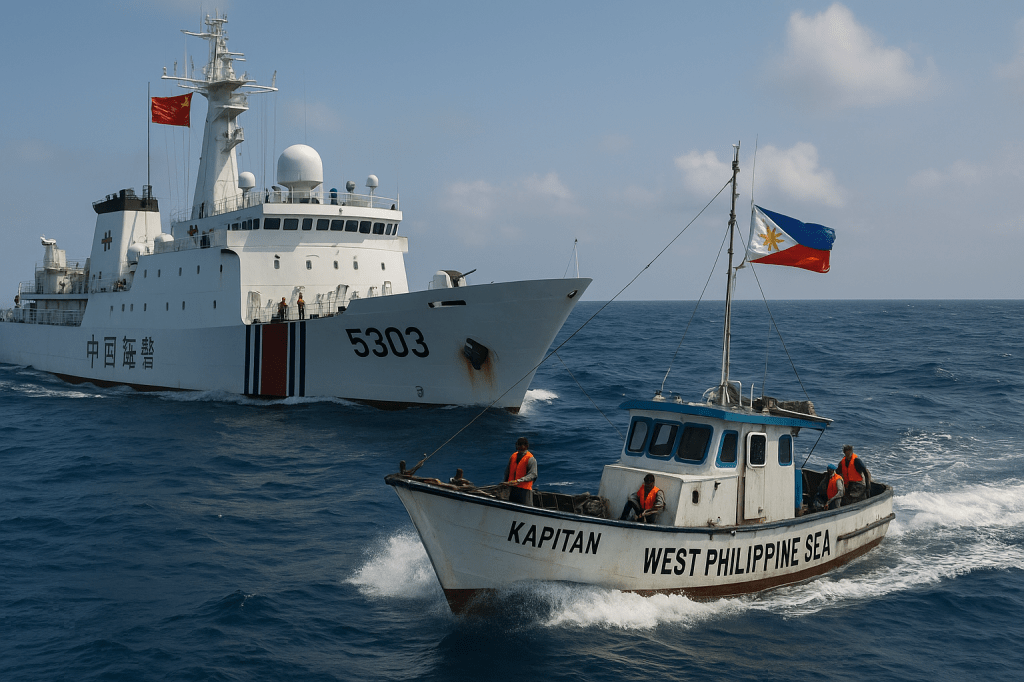
    Tensions flared again in the West Philippine Sea when Philippine and Chinese vessels collided near Scarborough Shoal on September 16, 2025. According to Manila, Chinese coast guard ships used high-powered water cannons against a Philippine resupply vessel, shattering glass on the bridge, damaging critical equipment, and injuring at least one crew member. China, for its part, accused the Philippines of “illegally” entering its waters and even claimed Manila rammed one of its ships—an allegation firmly denied by Philippine officials.

    This confrontation followed China’s unilateral declaration of a “national nature reserve” at Scarborough Shoal just days earlier. Filipino fishermen and government leaders saw this as an attempt to further tighten Beijing’s grip on a vital fishing ground that lies well within the Philippines’ Exclusive Economic Zone under international law and the 2016 Hague tribunal ruling.

    How Nations Responded

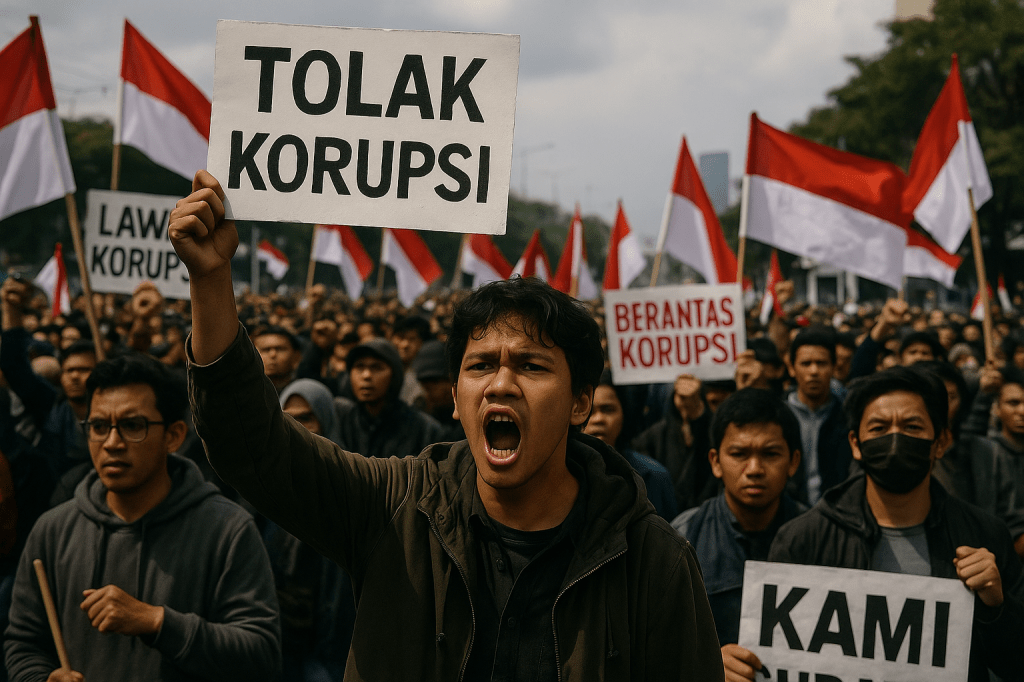
    Philippines: Manila lodged a strong diplomatic protest and ramped up patrols in contested waters. At home, protests over corruption added to the sense of urgency in defending national interests.

    China: Beijing justified its moves as “environmental” but in practice deployed coast guard and maritime militia vessels to enforce its claims, warning the Philippines against “provocations.”

    Allies & Partners:

    • The United States reiterated its defense commitments, condemning China’s actions.
    • Australia, Canada, Japan, and the UK voiced concern and pledged continued support for international law.
    • Germany and France are deepening defense ties with Manila. The UK is even exploring a Visiting Forces Agreement to allow closer military cooperation.

    What to Expect in the Next 3–5 Years

    The Philippines is investing heavily in its navy and coast guard, acquiring new frigates, offshore patrol vessels, and long-range missile systems like the BrahMos. It is also strengthening defense partnerships with allies from Asia, North America, and Europe. These steps will improve deterrence, but they cannot fully offset China’s overwhelming naval power.

    The likely trajectory is continued gray-zone conflict: water cannons, rammings, blockades, and the creation of more “facts on the ground” by China. At the same time, broader coalitions—Philippines with the U.S., Japan, Australia, the UK, and even select EU states—will increase naval patrols and exercises. Expect more incidents, more diplomatic protests, and a slow but steady militarization of the West Philippine Sea.

    The Long-Term Outlook: Prophecy and the Coming Clash

    While today the flashpoint is between the Philippines and China, the Bible shows that the stage is being set for something far greater. Prophecy in the book of Revelation describes a time when two great power blocs will dominate the world scene:

    • On one side, a resurrected Roman Empire, a powerful federation that will evolve out of today’s European Union.
    • On the other side, a vast eastern alliance led by powers like China and its allies.

    The South China Sea, a vital artery of global trade and security, could very well be one of the hot spots where these rival blocs collide. Scripture warns that this confrontation will erupt into a catastrophic war threatening the very survival of humanity (Matthew 24:21–22).

    But God has not left humanity without hope. Jesus Christ will intervene to stop world war from annihilating mankind. He will establish the Kingdom of God on earth, bringing true justice, security, and lasting peace—a peace no human power can achieve on its own.

    A Call to Repentance and Preparation

    In the meantime, God is calling individuals to repent, turn from sin, and live in obedience to His laws. The worsening conflicts, corruption, and rivalries we see today are signs of a world cut off from God. Yet for those who listen and respond, these events can serve as a wake-up call—a reminder to prepare for the soon-coming government of God, which will finally bring peace to all nations.

  • The High Price of Corruption

    The High Price of Corruption

    Corruption is more than a scandal—it is a global crisis. From Asia to the West, it is draining economies, crippling politics, and fueling public anger. Citizens are demanding answers, but efforts to curb graft often fall short.

    In the Philippines, outrage over billions lost in flood-control projects has led to calls for an independent probe. President Ferdinand Marcos Jr. has promised action, yet questions linger over whether lawmakers themselves will be scrutinized.

    In Indonesia, protests have engulfed more than 30 provinces after revelations of lavish perks for lawmakers while ordinary citizens endure austerity. A young delivery driver’s death during demonstrations only deepened the fury. The government has rolled back some benefits but simultaneously unleashed mass arrests and deployed tens of thousands of troops.

    In Mongolia, youth-led rallies over a luxury scandal forced the prime minister to resign. In Thailand, Prime Minister Paetongtarn Shinawatra faces suspension amid an anti-graft probe. Even in the United States, President Donald Trump faces allegations his family enriched itself through cryptocurrency ventures and overseas real estate deals tied to his political stature.

    The toll is immense. The IMF estimates over $1 trillion in bribes are paid each year, with trillions more lost to embezzlement. Money meant for schools, hospitals, and roads vanishes into private pockets. Economies stall, investors hesitate, and inequality grows. Politically, corruption skews elections, weakens the rule of law, and entrenches ruling elites. It sparks unrest, as seen in Asia’s street protests, and opens the door for populist strongmen who often build new corruption networks of their own.

    Governments are not standing still. Independent commissions, anti-graft courts, and international watchdogs have all been established. Technology, from blockchain to open procurement systems, is increasingly used to reduce graft. But progress is slow. Transparency International’s 2024 index shows two-thirds of nations still scoring below 50/100 in integrity.

    Why? Because corruption is not only a systems problem—it is a moral problem. At its heart lies greed, pride, and disregard for God’s law. Leaders who enrich themselves break the command, “You shall not steal.” When justice is twisted, truth is trampled.

    Without spiritual renewal and adherence to God’s commandments, reforms alone will not succeed. Nations may pass laws, but unless hearts change, corruption will simply find new ways to thrive.

    The Bible points to a different future. When Jesus Christ returns, He will establish a government free of graft, ruling with perfect justice and truth. As Isaiah prophesied, Christ will “judge the poor with righteousness, and decide with equity for the meek of the earth” (Isaiah 11:4). Under His reign, nations will finally be able to prosper, free from the drain of corruption, and humanity will experience the fairness and peace it has long desired.

    That is the true solution to the world’s crisis: not just better systems, but a coming Kingdom where corruption has no place.

  • The Battle for the West Philippine Sea: Why the EU is Stepping Forward

    The Battle for the West Philippine Sea: Why the EU is Stepping Forward

    On July 22, 2025, Philippine President Ferdinand Marcos Jr. met with U.S. President Donald Trump at the White House to reinforce economic and military ties between their two countries. The visit culminated in a high-profile agreement that introduced a 19% U.S. tariff on Philippine exports in exchange for zero tariffs on American vehicles and parts, certain agricultural products and pharmaceuticals entering the Philippines. While some critics argue that the Philippines is getting the shorter end of the stick in this trade arrangement, the reality is more nuanced: the Philippines managed to secure concessions similar to or slightly better than those granted to other Southeast Asian nations such as Vietnam and Indonesia, though it still fell short of the far more favorable terms negotiated by Japan. But beyond the trade negotiations, the more pressing development was the renewed emphasis on joint security. The two leaders committed to expanding the Enhanced Defense Cooperation Agreement (EDCA), establishing new naval repair facilities in Palawan, and reaffirming that any attack on Philippine assets in the West Philippine Sea (WPS) would trigger American support under the Mutual Defense Treaty.

    While these moves project strength, they also expose an emerging geopolitical gap: the long-term sustainability of U.S. leadership in Asia. As Washington becomes increasingly preoccupied with domestic challenges and global overstretch, Europe—especially the European Union—will have to prepare to take a more proactive stance in securing vital global commons, including the WPS.

    Why the West Philippine Sea Matters Globally

    The WPS, part of the broader South China Sea, is not merely a regional concern. It is a critical artery for international trade:

    • Over 30% of the world’s shipping, valued at more than $3 trillion annually, passes through these waters.
    • Key goods—from energy supplies to high-tech components—transit routes that connect East Asia with Europe, the Middle East, and Africa.
    • The seabed is believed to contain vast reserves of oil and natural gas, making it a major energy frontier.

    For the EU, whose economic engine thrives on global commerce, any disruption in the WPS would create devastating ripple effects across its member states. France, Germany, the Netherlands, and Italy all rely on uninterrupted access through these lanes to sustain their export-heavy economies.

    The U.S. as Present Guarantor—But for How Long?

    For now, the U.S. remains the strongest military power in the Indo-Pacific and the principal guarantor of free access to the WPS. American naval operations, such as Freedom of Navigation Operations (FONOPs), continue to challenge China’s expansive claims.

    However, the sustainability of this leadership is in question. Economic strains, political polarization, and the growing appeal of isolationist policies suggest that America’s global commitments may continue to shrink. In a future where Washington withdraws, who ensures that vital sea lanes remain open?

    Why the EU is Preparing to Secure the WPS

    1. Trade Dependence: Nearly 40% of the EU’s external trade moves through the South China Sea. Control or disruption of this route by China would allow it to economically coerce Europe.
    2. Strategic Credibility: If the EU seeks to become a global superpower, it must demonstrate the ability to project power and protect its interests far beyond its borders. Inaction in the WPS would reveal a lack of strategic autonomy.
    3. Legal and Moral Leadership: The EU champions the rules-based international order, especially UNCLOS. Yielding to Chinese hegemony in the WPS would undermine its commitment to international law.
    4. Asian Partnerships: Europe is deepening ties with Indo-Pacific countries, including Japan, India, and ASEAN states. Active involvement in ensuring freedom of navigation in the WPS will solidify its standing in the region.

    Steps the EU Is Taking

    At the recent 2025 EU Summit in Brussels, leaders agreed on a number of critical initiatives:

    • Creation of a Permanent Indo-Pacific Naval Task Group, spearheaded by France, Germany, and Italy, with rotational patrols planned for 2026.
    • Enhanced Military Cooperation with ASEAN nations, including maritime surveillance and joint training exercises.
    • Strategic Investments in Defense Production and Blue-Water Naval Capabilities, to ensure operational reach in the Indo-Pacific.
    • Intelligence-Sharing Agreements with Japan and the Philippines aimed at countering disinformation and tracking Chinese maritime movements.

    These developments represent a significant shift in the EU’s global posture. While not yet capable of replacing the U.S., the EU is beginning to prepare for a world in which it may have to act independently.

    East vs. West and the Philippines in the Middle

    From a biblical standpoint, the rise of a European-centered global power is not unexpected. The Bible foresees a final world superpower described as a “beast” rising out of the sea (Revelation 13:1), a union of nations centered in Europe. As it rises, it will eventually clash with a coalition of eastern powers, including nations historically associated with “the kings of the east” (Revelation 16:12).

    In such a scenario, the Philippines—geographically and strategically situated between China and the Western Pacific—would find itself at the intersection of a great geopolitical conflict. Its alliance with the U.S., and potentially with the EU in the future, makes it a key outpost in a looming confrontation between East and West.

    A Call to Strategic Vigilance

    The recent Marcos-Trump meeting underscores that the Philippines is not blind to the growing tensions in the West Philippine Sea. Yet the sustainability of American guarantees is not forever assured. The EU, slowly but surely, recognizes that its preparations for global leadership hinge on its willingness to secure the global commons.

    The West Philippine Sea is a fulcrum of future power dynamics. The EU will have to ensure it plays a defining role in keeping it free—not only for the sake of trade and legal norms but to attain its goal of becoming a central actor on the world stage. The Philippines, meanwhile, will have to brace for the storms ahead.

  • China’s West Pacific Ambitions: A Foreshadowing of Prophecy?

    China’s West Pacific Ambitions: A Foreshadowing of Prophecy?

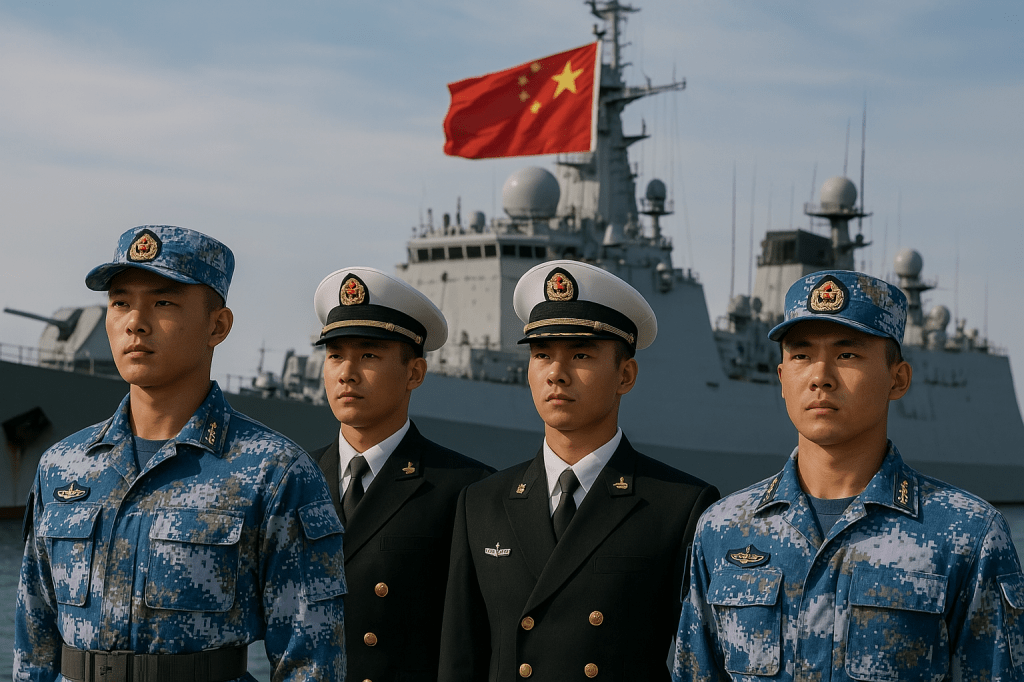
    Tensions in the Western Pacific continue to rise, with the People’s Republic of China making increasingly assertive moves to expand its political and military footprint across the region. These developments have not gone unnoticed. In a recent and widely publicized statement, General Romeo Brawner Jr., Chief of Staff of the Armed Forces of the Philippines, issued a stark warning to Philippine troops, particularly those stationed in Northern Luzon: prepare for a possible Chinese invasion of Taiwan.

    While this statement was quickly downplayed by the Marcos administration as precautionary rather than predictive, there is significant reason to believe that General Brawner’s warning is grounded in reality.

    Concrete Moves on the Ground

    China’s militarization of the South China Sea is no longer speculative. Artificial islands, equipped with runways, radar systems, and missile installations, now dot the once-empty waters of the Spratly and Paracel Islands. These installations give China not just a strategic advantage but also serve as de facto control points over a critical trade route through which about one-third of global maritime commerce passes.

    In addition to these fixed positions, China has recently conducted aggressive military exercises both near Taiwan and, surprisingly, off the coast of Australia. These drills included simulated blockade and amphibious assault operations near Taiwan, and live-fire naval exercises in the Tasman Sea. Such actions send a clear signal: Beijing is testing its ability to project power far beyond its shores, and it wants the world to take notice.

    Why Now?

    Several factors contribute to this renewed assertiveness:

    • China views Taiwan as a breakaway province and is determined to achieve reunification, a core tenet of President Xi Jinping’s long-term national vision.
    • The South China Sea remains vital to China’s energy and trade security.
    • Beijing is signaling strength amidst perceived U.S. retrenchment and the more transactional approach of current President Donald Trump, whose America-first policies have sometimes left allies questioning the reliability of U.S. support.

    Reactions from the Region

    Neighboring nations have not taken these developments lightly. The Philippines has revived and expanded its Enhanced Defense Cooperation Agreement (EDCA) with the United States, allowing for increased American troop presence and access to strategic bases. Japan, Australia, and India have strengthened security cooperation through the Quad alliance, while the AUKUS pact (Australia, the UK, and the U.S.) seeks to counterbalance Chinese naval dominance with advanced military technology sharing.

    Even smaller Pacific nations are becoming geopolitical flashpoints, with countries like the Solomon Islands engaging in military and economic partnerships with Beijing, much to the concern of Canberra and Washington.

    Yet, Limitations Remain

    Despite its aggressive posture, China’s ambitions are tempered by serious internal and external challenges:

    • Its economy is showing signs of strain due to demographic decline, real estate crises, and weakening consumer confidence.
    • Taiwan is not defenseless; it has invested heavily in asymmetric warfare capabilities and enjoys substantial, if unofficial, military backing from the United States.
    • A direct war with Taiwan could still invite U.S. intervention, along with its allies in the region, which Beijing may not yet be ready to face.

    A Prophetic Perspective

    From a biblical point of view, these rising tensions align with what the book of Revelation describes as a future global conflict involving massive armies from the east. Revelation 9:16 speaks of an army numbering 200 million. While China alone cannot field such a force, it is likely to form a future coalition with other eastern powers—most notably Russia and other countries whose current alliances may shift in the future.

    This eastern bloc, referred to in another biblical prophecy as the “kings of the east” (Revelation 16:12), will engage in a climactic war with a future European superpower, a revived Roman Empire in the end times. This prophesied war will occur after the decline of Anglo-American global dominance. By that time, the United States, Britain, and their allies will no longer be military superpowers or influential world players.

    This coming war between a European superpower and Asian nations will be so catastrophic that it would lead to the annihilation of humanity—if not for the divine intervention of Jesus Christ. As Matthew 24:22 says, “And unless those days were shortened, no flesh would be saved; but for the elect’s sake those days will be shortened.”

    The Only Source of True Peace

    The rise of Chinese militarism, the shifting of alliances, and the erosion of trust in old superpowers all point to a volatile world on the brink of unprecedented conflict. While human efforts at peace continually fall short, Bible prophecy assures us that God will intervene. Christ will return to put an end to human misrule and establish the Kingdom of God on earth—a government of true peace, justice, and righteousness (Isaiah 9:6-7).

    Until then, we must remain vigilant observers of global events, guided not by fear, but by faith in the sure word of prophecy and the hope of God’s coming Kingdom.