Category: United States

  • Habemus Papam: The Election of Pope Leo XIV and What It Means for the World

    Habemus Papam: The Election of Pope Leo XIV and What It Means for the World

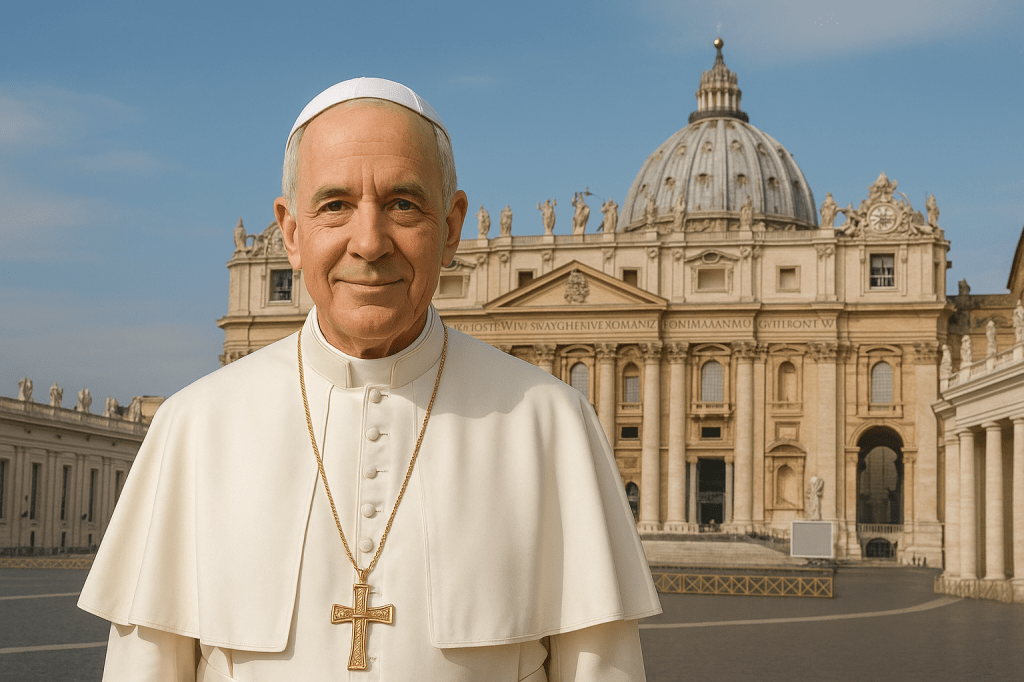
    On May 8, 2025, the white smoke billowed from the Sistine Chapel, and the world was introduced to a new leader of the Roman Catholic Church—Pope Leo XIV, formerly Cardinal Robert Francis Prevost. His election marks a series of historic firsts: the first American pope, a Peruvian citizen by naturalization, and a former missionary deeply rooted in the social struggles of Latin America. His ascension comes at a time of significant global and ecclesial uncertainty, and it sets the stage for a papacy that is likely to shape the moral conversation of the coming decade.

    A Career of Global Service and Grounded Ministry

    Robert Francis Prevost was born in Chicago in 1955. A member of the Order of Saint Augustine, he spent over two decades in Peru, where he served as seminary director, parish priest, and later as bishop of Chiclayo. His missionary experience embedded him in the lives of the poor and the working class, shaping his deeply pastoral, socially engaged worldview.

    In 2023, he was called to Rome to head the Dicastery for Bishops, where he oversaw episcopal appointments worldwide. Known for his humility, administrative competence, and theological depth, he was elevated to the rank of cardinal that same year. Despite not being among the most mentioned papabili (likely candidates), he emerged as a consensus choice among the cardinals—likely for his ability to bridge divides between progressive and traditional elements in the Church, and his clear moral compass grounded in lived experience.

    Why the Cardinals Chose Him

    Pope Leo XIV’s election most likely reflects the cardinals’ desire for a leader who could:

    • Build continuity with the reform-oriented legacy of Pope Francis;
    • Maintain doctrinal orthodoxy while remaining pastorally compassionate;
    • Strengthen the Church’s credibility in the Global South and restore trust in the West;
    • Speak with clarity on moral issues facing humanity—especially poverty, migration, and climate change.

    In a fractured world and an often polarized Church, Cardinal Prevost offered a steady, humble, and globally minded profile for the Catholic faithful.

    Immediate Challenges Facing Pope Leo XIV

    As Pope Leo XIV assumes leadership of the Church, several pressing issues await him:

    1. Restoring Trust Post-Abuse Crisis – Strengthening accountability and enforcing global safeguards against clerical abuse remain urgent.
    2. Reviving Faith in the West – The decline of church attendance and vocations, particularly in Europe and North America, requires pastoral creativity and bold evangelization.
    3. Guiding the Church Through the Synodal Path – He must balance unity and diversity as the Church explores broader participation of laity and women in Church life.
    4. Responding to Global Injustice – From migration and war to ecological degradation, the Pope’s moral voice is needed to challenge indifference and advocate for peace and dignity.

    The Papacy and the Trump Administration: Points of Tension

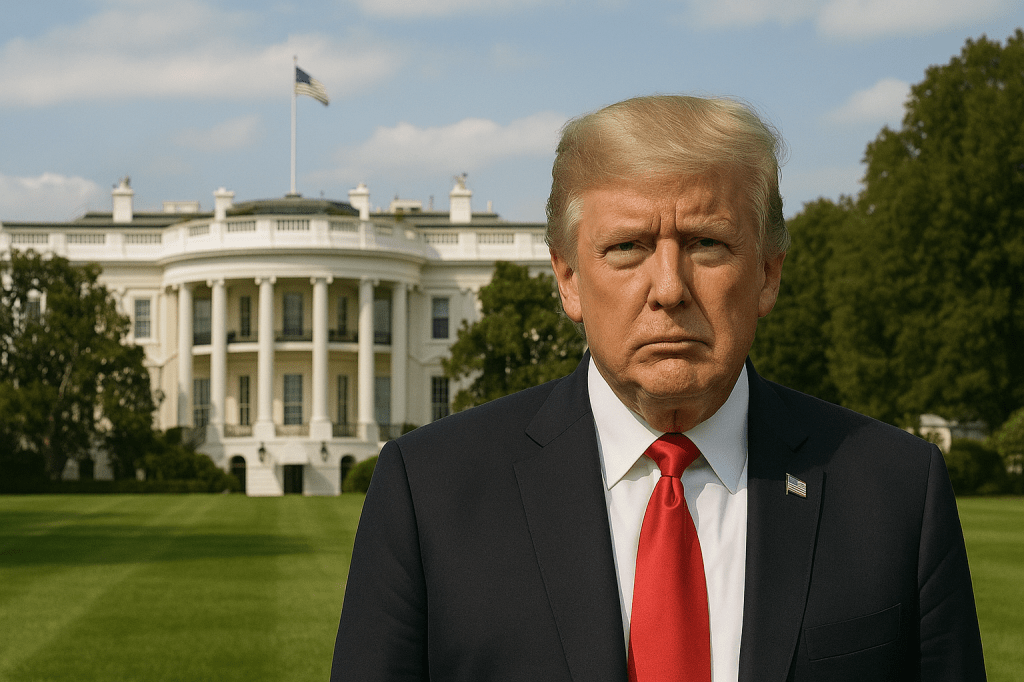
    Pope Leo XIV’s past criticism of Vice President J.D. Vance—especially Vance’s attempt to invoke Christian teachings to justify harsh immigration policies—suggests early signs of moral tension with the Trump administration. The Pope, then still a cardinal, publicly shared his disapproval, challenging leaders to uphold Christ’s call to love the stranger and care for the vulnerable.

    This divergence is likely to deepen as the papacy of Leo XIV progresses. The Trump administration’s transactional approach to foreign policy, its perceived alignment with corporate elites over ordinary citizens, and its often blunt rhetoric on global affairs stand in contrast to Pope Leo’s vision of inclusive solidarity, ethical leadership, and compassionate governance.

    Implications for U.S.-Vatican Relations and Global Perception

    If the Trump administration continues to sideline moral diplomacy in favor of nationalist or plutocratic policies, Pope Leo XIV’s voice may further underscore the growing moral disconnect between American leadership and the broader international community.

    Rather than isolating the Vatican, such a divergence could have the effect of spotlighting the Vatican as a counter-voice of moral credibility—especially on issues like peace, economic justice, and climate ethics. It may also further weaken America’s global soft power, especially in the developing world, where the Church remains a deeply trusted institution.

    A Sobering Biblical Parallel

    God warned ancient Israel, “I will break the pride of your power” (Leviticus 26:19), and in another place, He foretold that His disobedient people would become “the tail and not the head” (Deuteronomy 28:44). These warnings directed to Israel of ancient times and that of today, underscore a timeless principle: when nations act unjustly and pridefully—abandoning moral responsibility—God allows their influence to wane.

    If America’s policies remain at odds with ethical norms and divine principles, and if it continues to marginalize the vulnerable in pursuit of transactional gains, it risks becoming morally irrelevant on the world stage. Pope Leo XIV’s papacy may serve as a prophetic mirror reflecting that divergence—and the twilight of America as a real superpower.
  • When Disruption Falls Short: Elon Musk’s Retreat from Government and the Fallout of DOGE

    When Disruption Falls Short: Elon Musk’s Retreat from Government and the Fallout of DOGE

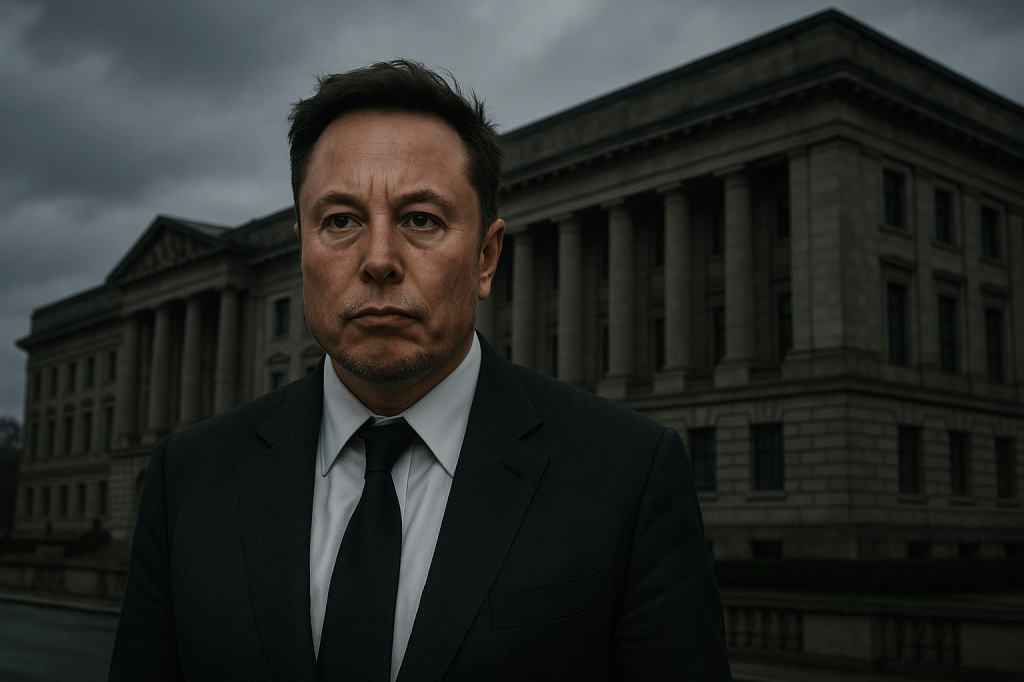
    Elon Musk, the entrepreneurial titan known for reshaping industries from aerospace to electric vehicles, is stepping back from his highly publicized role in the Trump administration’s Department of Government Efficiency (DOGE). Appointed as a special government employee with the ambitious task of slashing government waste and streamlining federal operations, Musk’s tenure began with high expectations and sweeping promises. But just over 100 days into his service, what remains is a trail of disrupted agencies, demoralized employees, and mounting public backlash—both domestic and international. Musk now plans to reduce his involvement to one or two days per week, effectively ceding ground in what was once heralded as a revolutionary approach to governance.

    The Goals of DOGE

    At its inception, DOGE was created with the audacious goal of cutting $2 trillion in federal expenditures—a figure that was quickly revised to $1 trillion, and then again to a more modest $150 billion. Musk envisioned a leaner, tech-driven bureaucracy that operated with Silicon Valley efficiency. He sought to eliminate redundancy, cancel unnecessary contracts, dismantle underperforming agencies, and reallocate resources to higher-priority areas.

    Performance and Outcomes

    While Musk’s team claims to have saved roughly $160 billion through contract eliminations and program shutdowns, these numbers are heavily contested. Critics argue that the long-term costs—ranging from severance packages and legal challenges to the collapse of critical public services—may far outweigh the reported savings. Over 250,000 federal employees were dismissed or forced into early retirement. Agencies like the Veterans Administration, Social Security Administration, and IRS saw drastic reductions in workforce and capacity, leading to service bottlenecks and citizen complaints.

    Public disapproval quickly followed. According to a Washington Post-ABC News poll, 57% of Americans disapproved of Musk’s handling of DOGE, and President Trump’s approval ratings dropped to the lowest 100-day rating in modern history. The backlash wasn’t confined to U.S. borders—global protests erupted under the banner of the “Tesla Takedown” movement, severely damaging Tesla’s brand and sales across Europe and parts of Asia.

    Why DOGE Fell Short

    One of the primary reasons Musk’s DOGE initiatives failed to achieve its objectives was his fundamental misunderstanding of the American bureaucratic system. Much like the man Christ referred to in Luke 14:28 who sought to build a tower but failed to count the cost, Musk launched into federal reform without first grasping the complexity of the system he aimed to dismantle. His private-sector instincts—cut quickly, move fast, disrupt—ran counter to the deliberate, often consensus-driven nature of government operations.

    Moreover, Musk’s top-down approach and lack of consultation with stakeholders proved costly. Programs were cut without warning, and agencies were reorganized without input from those who understood their functions best. As Proverbs 15:22 reminds us, “Without counsel, plans go awry, but in the multitude of counselors they are established.” Musk’s failure to heed this wisdom led to confusion, inefficiency, and widespread resentment.

    Possible Long-Term Effects

    The long-term effects of Musk’s DOGE leadership are still unfolding. While some supporters believe the cuts were a necessary first step toward a more sustainable government, others warn that the damage to institutional trust and public service capacity may take years to repair. Additionally, Musk’s political alignment and policy actions have left a scar on his global business image, potentially diminishing investor confidence and consumer loyalty.

    International markets, especially in Europe, have already responded. Tesla’s sales in France and Denmark have plummeted by over 50%, and the company has seen a 71% drop in profits in the first quarter of 2025. Simply stepping back from the Trump administration may not be enough to undo the reputational damage.

    Bold, Disruptive, Flawed

    Elon Musk’s foray into government reform was bold, disruptive, and ultimately flawed. Despite noble intentions and a few notable savings, his lack of preparedness, disregard for established systems, and failure to engage stakeholders have rendered the DOGE initiative more controversial than transformative. As he retreats to focus once more on his private enterprises, the experience stands as a cautionary tale: even the most brilliant innovators must count the cost—and seek counsel—before attempting to reshape something as complex as a nation’s government.

  • Between Giants: Australia’s Delicate Balancing Act in a Fracturing World

    Between Giants: Australia’s Delicate Balancing Act in a Fracturing World

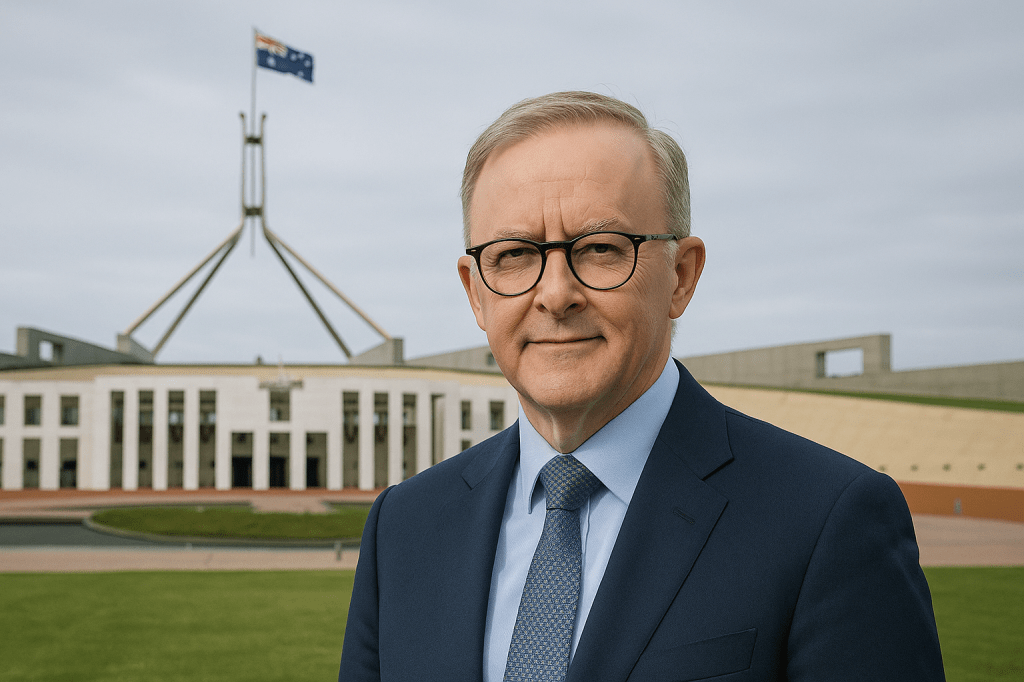
    The 2025 Australian federal elections have delivered a resounding mandate to Prime Minister Anthony Albanese and the Labor Party, marking a significant moment in the country’s political and strategic journey. With an expanded majority in the House of Representatives and the unprecedented defeat of Opposition Leader Peter Dutton, Albanese has not only secured domestic authority but also acquired a stronger hand in steering Australia’s foreign and trade policy at a time of rising global tensions.

    As the world splinters into competing blocs—one centered around China, another adrift under an increasingly inward-looking United States, and a third slowly forming in a reassertive Europe—Australia must now walk a diplomatic tightrope. Its future security and prosperity will depend on how well it navigates this dangerous geopolitical terrain.

    A Mandate for Continuity and Change

    The Labor Party’s election platform emphasized continuity in trade diversification, investment in domestic manufacturing under the “Future Made in Australia” strategy, and a pragmatic approach to foreign affairs. While the domestic issues of cost of living and healthcare drove voter attention, international realities are now dictating Canberra’s broader path.

    Australia’s foreign policy trajectory under the renewed Albanese government will likely focus on:

    • Strengthening trade relations with Southeast Asia, India, and the EU;
    • Preserving (but not blindly following) its defense alliance with the United States;
    • Managing a complex and often fraught relationship with China.

    This approach reflects a delicate dance—an effort to safeguard both Australia’s security and its economic lifeblood.

    Trade: Diversify or Die

    China remains Australia’s largest trading partner, absorbing over 30% of its exports. But recent tensions—from Chinese tariffs on Australian goods to PLA naval drills within Australia’s EEZ—have underscored the perils of overdependence.

    Labor’s strategy is clear: reduce economic vulnerability. The Australia-EU free trade agreement signed in late 2024 opens new doors, while increasing outreach to India, Japan, and ASEAN nations is high on the government’s agenda.

    Still, trade diversification will not happen overnight. Australian iron ore, coal, and LNG are still central to China’s industrial economy, making complete detachment unlikely. At the same time, the U.S.’s renewed protectionism—marked by fresh Trump-era tariffs—makes relying on American markets increasingly uncertain.

    Thus, Australia’s trade policy must not only be bold but also nuanced. Diversification is a goal, but interdependence with China remains a geopolitical fact.

    National Security: Submarines, Missiles, and Cyber Walls

    The Albanese government’s defense policy reflects growing anxiety about the Indo-Pacific. With the AUKUS agreement in full swing, Canberra will continue acquiring nuclear-powered submarines and investing billions in advanced missile systems.

    Meanwhile, cyber threats from state actors—especially China—have spurred a renewed push for digital infrastructure protection. APT31-linked cyberattacks on Australian MPs in 2024 and Chinese military provocations in the Tasman Sea and South China Sea have reinforced a reality that Canberra can no longer ignore: Australia is no longer in a quiet neighborhood.

    Yet, increasing defense spending does not equate to abandoning diplomacy. The Albanese administration seeks to balance hard security with stable regional relationships—a recognition that Australia’s fate is tied to the stability of Asia.

    Australia and China: Uneasy Symbiosis

    Beijing is watching closely. Despite high-level diplomatic resets since 2023, including Premier Li Qiang’s visit and lifted sanctions on wine and barley, strategic distrust persists. Chinese military actions in Australia’s EEZ and aggressive aerial maneuvers near Australian aircraft show that goodwill has limits.

    Australia must now manage this “uneasy symbiosis”—keeping trade open while resisting strategic coercion. Beijing’s vision of a Sinocentric Asia challenges Canberra’s alignment with the West, especially in the South Pacific where Chinese influence is expanding.

    America First, Again

    The return of Donald Trump to the White House in 2025 has brought renewed U.S. isolationism. New tariffs on allies, lukewarm engagement in multilateral forums, and transactional diplomacy have unsettled traditional partners.

    For Australia, this complicates its long-standing reliance on the U.S. alliance. While the security guarantees of ANZUS remain, Canberra must increasingly weigh American unpredictability against its own national interests.

    Rather than follow Washington blindly, Australia is likely to engage with the U.S. on a case-by-case basis—committed to defense ties, cautious on economic entanglements.

    Europe Rising

    At the other end of the globe, Europe is slowly awakening as a strategic actor. The EU’s recent assertiveness in trade, defense integration, and global diplomacy—especially in the Pacific and Indo-Pacific—offers Australia an alternative pole of partnership.

    The Australia-EU FTA marks a pivotal opportunity, not just for economic gain but for geopolitical alignment with a bloc that shares values around democracy, climate responsibility, and multilateralism. However, Europe’s strategic pace remains slower and more fragmented than Asia’s urgency or America’s might.

    A Nation Between Blocs

    Australia today finds itself between three powerful and diverging blocs:

    • An Asian economic behemoth, dominated by China;
    • An unpredictable America, protective of its own interests;
    • An emerging European power, still finding its strategic rhythm.

    Navigating among them will be increasingly difficult. Trade policy will require surgical precision. Security choices may demand hard compromises. The old rules of alliance and economy no longer apply neatly in this age of fragmentation.

    But this also presents an opportunity—for Australia to lead as a middle power, a bridge, and a voice for balance in a divided world. To do that, it must remain anchored in principle, agile in policy, and clear-eyed about where the world is heading.

    In a time when larger powers flex their muscles and redraw the rules, the path for smaller nations like Australia is narrow—but not impossible. It must now learn to walk it with steadiness, resolve, and above all, wisdom (Proverbs 4:7).

  • A Glimmer of Hope: Trump, Zelensky, and the Long Road to Peace

    A Glimmer of Hope: Trump, Zelensky, and the Long Road to Peace

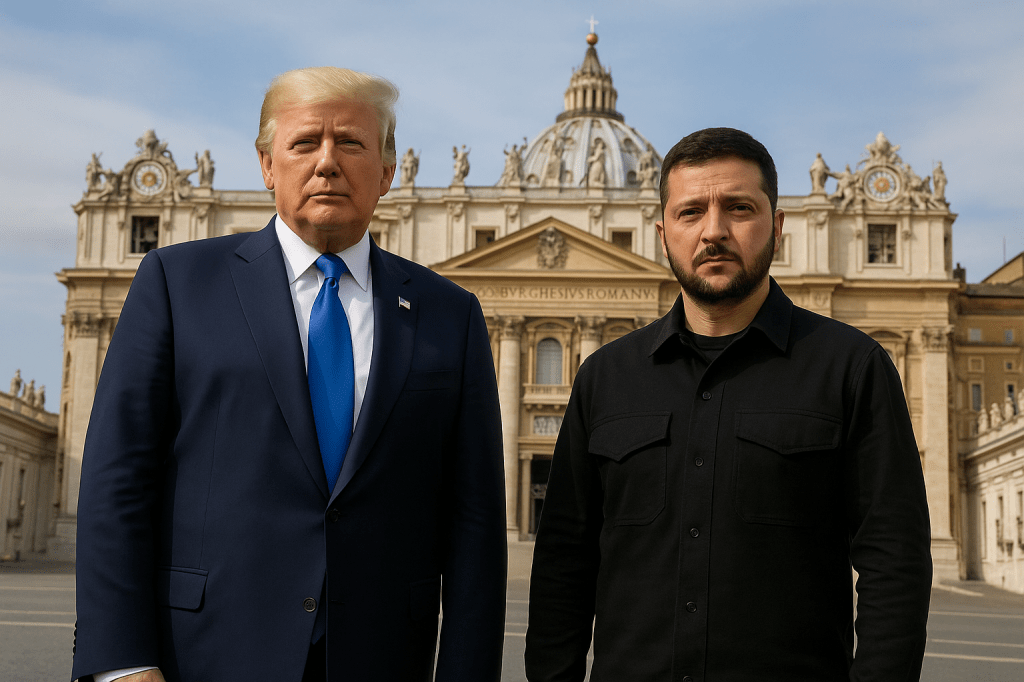
    At the sidelines of the funeral of Pope Francis, held at the Vatican — a setting deeply symbolic of hope, reconciliation, and peace — a private and significant meeting took place between Ukrainian President Volodymyr Zelensky and U.S. President Donald Trump. Although their conversation lasted only around fifteen minutes, it produced key developments that, if sustained, suggest a possible shift in tone regarding the ongoing Russia-Ukraine conflict. This meeting, in its timing and tone, could have lasting implications for Ukraine, Europe, and global peace efforts.

    Key Outcomes of the Meeting

    The Zelensky–Trump meeting achieved several notable outcomes that signal at least a partial change from previous U.S. positions:

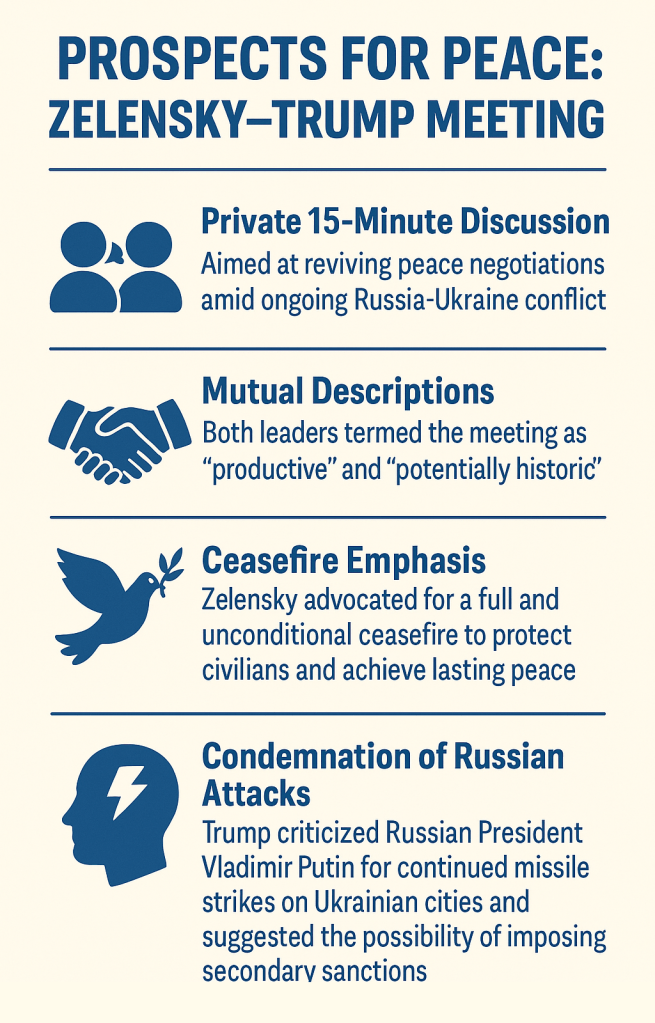
    • Private 15-Minute Discussion – The two leaders engaged in a brief but focused conversation aimed at reviving the stalled peace negotiations between Ukraine and Russia. Though details remain limited, both sides characterized the exchange as serious and constructive.
    • Mutual Praise of the Meeting – Afterward, both Trump and Zelensky described their discussion as “productive” and “potentially historic.” This mutual appreciation suggested a desire — at least rhetorically — to move beyond posturing and work toward real diplomatic progress.
    • Emphasis on the Need for a Ceasefire – President Zelensky strongly advocated for a full and unconditional ceasefire to protect Ukrainian civilians and prevent further devastation. Trump, echoing a similar concern, called for immediate steps to reduce violence on the ground, marking a notable rhetorical shift from earlier periods when he emphasized quick deals even at Ukraine’s potential expense.
    • Public Condemnation of Russia’s Attacks – For the first time in a significant international setting, Trump openly criticized Russia’s continued missile strikes on Ukrainian cities. He even hinted at the possibility of imposing secondary sanctions on Russia if hostilities escalated — a firmer line than he had taken during his previous administration.

    These outcomes suggest that while Trump’s overall strategy may not have fully changed, his tone and priorities appear to have evolved — at least in how he publicly frames the conflict.

    Factors That Likely Changed President Trump’s Tone

    Several important forces likely contributed to this adjustment in Trump’s rhetoric and stance:

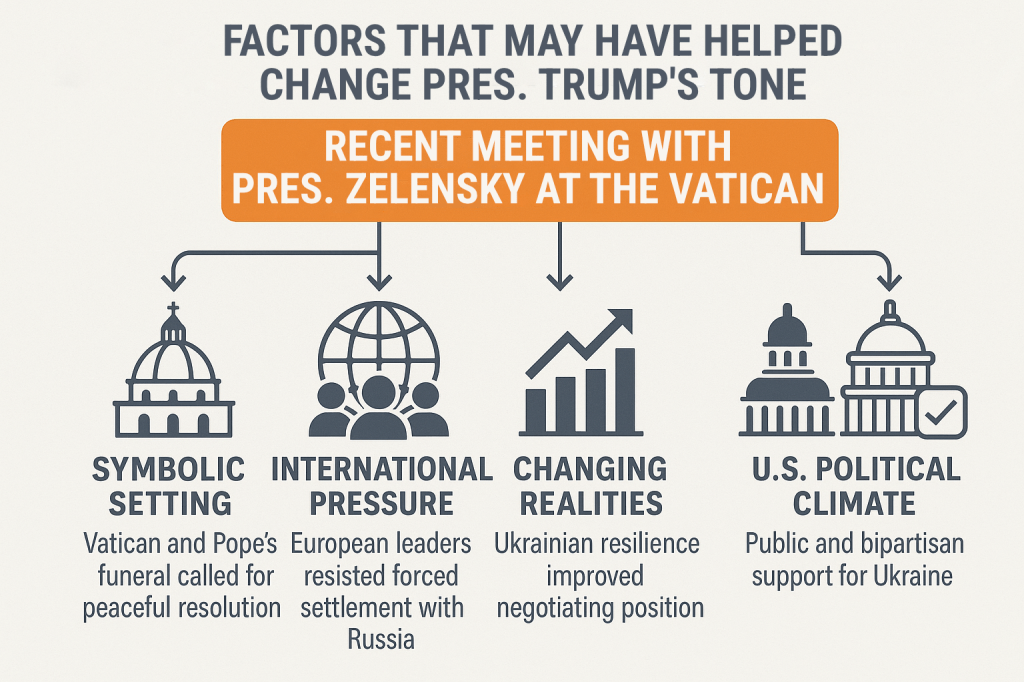
    • The Symbolic Setting of the Vatican – Meeting during Pope Francis’ funeral inevitably shaped the atmosphere. In a setting dedicated to peace, compassion, and global unity, it would have appeared callous and politically risky for Trump to project a transactional or overly hardline image.
    • International Diplomatic Pressure – Major European powers such as France, Germany, and the United Kingdom had already signaled strong opposition to any peace deal that legitimized Russia’s territorial gains. Trump’s administration would risk significant diplomatic isolation if it pushed for an unjust settlement.
    • Ukraine’s Battlefield Resilience – Ukraine’s ability to hold its ground against Russian aggression impressed even skeptical observers. Zelensky’s ability to represent a nation that refuses to surrender easily likely demanded a more respectful and serious response from Trump.
    • Growing Bipartisan U.S. Support for Ukraine – Both Democratic and Republican lawmakers have increasingly voiced support for Ukraine’s territorial integrity. With elections looming in 2026, Trump cannot afford to alienate a significant portion of the American electorate who sympathize with Ukraine’s struggle.
    • Trump’s Need to Reinforce a Statesmanlike Image – As he looks toward solidifying his legacy and future leadership reputation, Trump understands the value of being seen as a “peacemaker.” This meeting provided an opportunity to bolster that image on a global stage.

    Taken together, these factors likely combined to encourage Trump to moderate his tone and speak more seriously about a diplomatic path forward.

    Personal Values That Helped Soften Trump’s Tone

    Trump’s change in tone wasn’t merely a result of external pressures. Some of his core personal values may also have played a role:

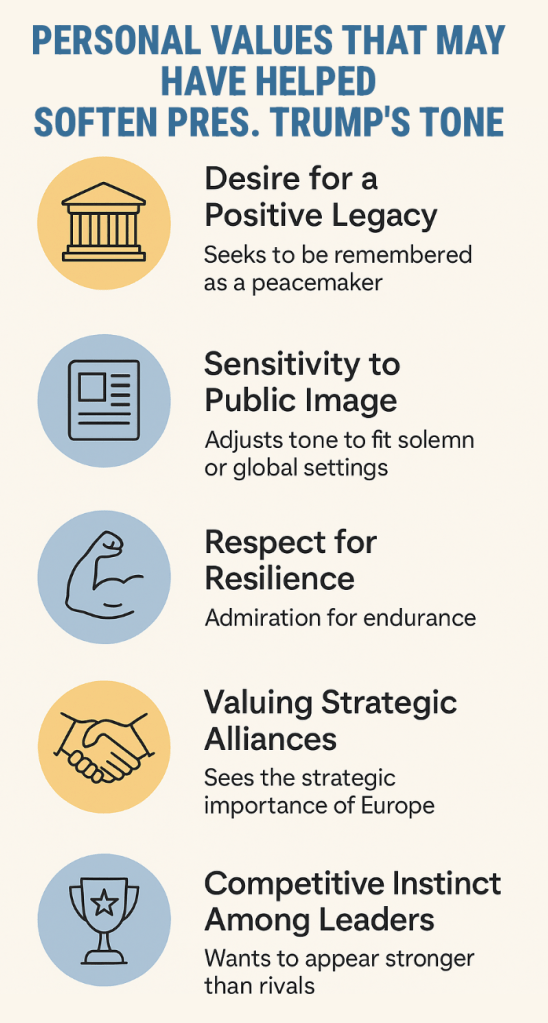
    • Desire for a Legacy of Peace – Trump is deeply concerned about how history will remember him. Securing peace between Ukraine and Russia could be a monumental achievement that cements his place among world leaders who brokered significant peace deals.
    • Sensitivity to Public Image – Trump’s acute awareness of how he is portrayed in the media likely made him realize that appearing compassionate, especially at the Vatican, would play well both internationally and domestically.
    • Respect for Strength and Resilience – Trump’s admiration for strength — whether in individuals, businesses, or nations — likely drew a measure of respect for Ukraine’s unwavering resistance against a much larger military power.
    • Transactional View of Alliances – Trump sees international relationships through the lens of mutual benefit. He understands that maintaining strong European alliances is crucial for America’s broader strategic interests.
    • Competitive Instinct Against World Leaders – Trump views global politics as a contest among strong personalities. His evolving criticism of Putin may not only reflect strategic calculation but also a desire to appear tougher and more effective than the Russian leader.

    These personal values — particularly the desire for a positive legacy and respect for strength — could later motivate Trump to adjust even further on the more contentious areas of the peace negotiations.

    Remaining Areas of Difference

    Despite the softened tone, serious divergences remain between the U.S. and Ukraine’s vision of peace:

    • Recognition of Crimea as Russian Territory – Reports indicate that Trump is still inclined to propose recognizing Russia’s annexation of Crimea — a move Ukraine and nearly all of Europe categorically reject. For Ukraine, such recognition would legitimize illegal aggression and set a dangerous precedent.
    • Permanent Exclusion of Ukraine from NATO Membership – Trump has also suggested that Ukraine should be permanently barred from NATO as part of any settlement. This would leave Ukraine vulnerable to future Russian attacks and could embolden other aggressors worldwide.

    If these areas are not resolved, any peace agreement would be fragile at best — and future conflicts almost inevitable.

    What Could Change Trump’s Mind

    Several dynamics could influence Trump to reconsider these positions:

    • Continued Ukrainian Military Gains – If Ukraine demonstrates continued success on the battlefield, the political cost of asking them to surrender land will become much higher.
    • Strong Legislative and Public Pressure in the U.S. – If Congress ties military aid and diplomatic support to maintaining Ukraine’s sovereignty — and if public opinion stays firmly with Ukraine — Trump will find it harder to push controversial concessions.
    • European Unity and Toughness – A united European stance could make any plan involving territorial compromise diplomatically and economically costly for the U.S.
    • Legacy Motivations – Trump’s desire to be remembered as a historic peacemaker could drive him to accept more principled, lasting solutions, rather than quick political victories.

    Thus, personal ambition for a noble legacy could actually help steer Trump toward better, fairer peace terms.

    How Putin Might React

    Russian President Vladimir Putin is unlikely to ignore these developments:

    • Potential Escalation – If Putin senses that the U.S. position is hardening, he may attempt to escalate militarily to force a settlement while he still holds significant ground.
    • Undermining Trump’s Credibility – Russia’s information networks might try to discredit Trump if they believe he is drifting too far from their strategic goals.
    • Increased Diplomatic Pressure on Ukraine – Expect Moscow to step up efforts to intimidate Ukraine into accepting unfavorable terms before U.S. policy hardens further.

    In short, Russia is likely to respond aggressively, viewing a tougher Trump as a threat to their long-term objectives.

    The Bigger Picture

    Even if a ceasefire is achieved, true and lasting peace will not come merely through negotiations. 

    What is needed is a profound change in the hearts and values of leaders and nations:

    • Leaders must focus on justice and dignity over power and conquest.
    • Nations must seek cooperation and fairness instead of exploitation and fear.
    • Alliances must be built not just on interest, but on principles of mutual respect.

    The Bible points us to a future beyond the broken leadership of today. 

    When Christ returns, He will establish a government where “nation shall not lift up sword against nation, neither shall they learn war anymore” (Micah 4:3).

    Under His perfect reign, there will be no more aggressors and no more victims. 

    Bigger nations will no longer oppress smaller ones. Great powers will no longer fear or threaten one another. True, lasting peace will fill the earth — a peace built on justice, love, and eternal strength.

    Cautious Optimism

    The Vatican meeting between Trump and Zelensky offers a rare moment of cautious optimism. 

    But real peace will require more than changed strategies — it will require changed values. 

    Until the Kingdom of God is established on earth, peace among nations will remain fragile. But every step toward justice, compassion, and respect today is a small glimpse of the greater peace that is yet to come.

  • America’s Future at a Crossroads: A Review of Trump’s First 100 Days

    America’s Future at a Crossroads: A Review of Trump’s First 100 Days

    As President Donald Trump’s second administration approaches its first 100 days, it finds itself navigating a challenging landscape both at home and abroad. While bold moves were made to fulfill campaign promises, expert analyses reveal a mixture of accomplishments, non-accomplishments, and rising concerns about America’s economic and geopolitical trajectory.

    Accomplishments and Non-Accomplishments

    Domestically, President Trump has reinstated tough immigration policies and launched efforts to streamline federal government operations. However, the aggressive re-imposition of tariffs on China, Mexico, and Canada has triggered economic repercussions, with inflation expectations soaring to 6.5%, consumer sentiment dropping sharply, and GDP growth forecasted by the International Monetary Fund and the Congressional Budget Office to slow to between 1.8% and 2.3% this year.

    Internationally, Trump’s moves to broker peace between Russia and Ukraine by proposing acceptance of Crimea’s annexation, and renewed indirect talks with Iran, have raised concerns over undermining alliances and stability.

    Experts warn that if current policies persist—particularly tariff strategies, political pressure on the Federal Reserve, and isolationist tendencies—the U.S. economy risks a period of stagflation, rising inequality, and weakened global influence.

    Pathways for Improvement

    Policy recommendations emphasize recalibrating tariffs, encouraging multilateral trade agreements, allowing the Federal Reserve to operate independently, investing in infrastructure, and supporting domestic manufacturing.

    Only by adopting a balanced, cooperative, and forward-looking approach can the Trump administration hope to fulfill its “Make America Great Again” vision.

    A Deeper Lesson: Leadership in God’s Plan

    The Bible teaches that God sometimes allows national leaders to make poor choices—or allows ineffective leaders to rise to power—as part of His call for His people to recognize their need for Him and return to righteousness (see Isaiah 3:4). A nation’s greatness in God’s sight is not based on military strength, wealth, or political dominance (although these are certainly results of His blessings). Rather, it depends on justice, mercy, humility, and obedience to God’s laws (Micah 6:8).

    If America’s leaders and citizens sincerely seek to make their nation truly great, they must prioritize moral integrity, care for the poor and marginalized, and live by the values God esteems. Only through such a return can lasting greatness be achieved.