Tag: Germany

  • Storm Over the Shoal: The Philippines, China, and the Future of the West Philippine Sea

    Storm Over the Shoal: The Philippines, China, and the Future of the West Philippine Sea

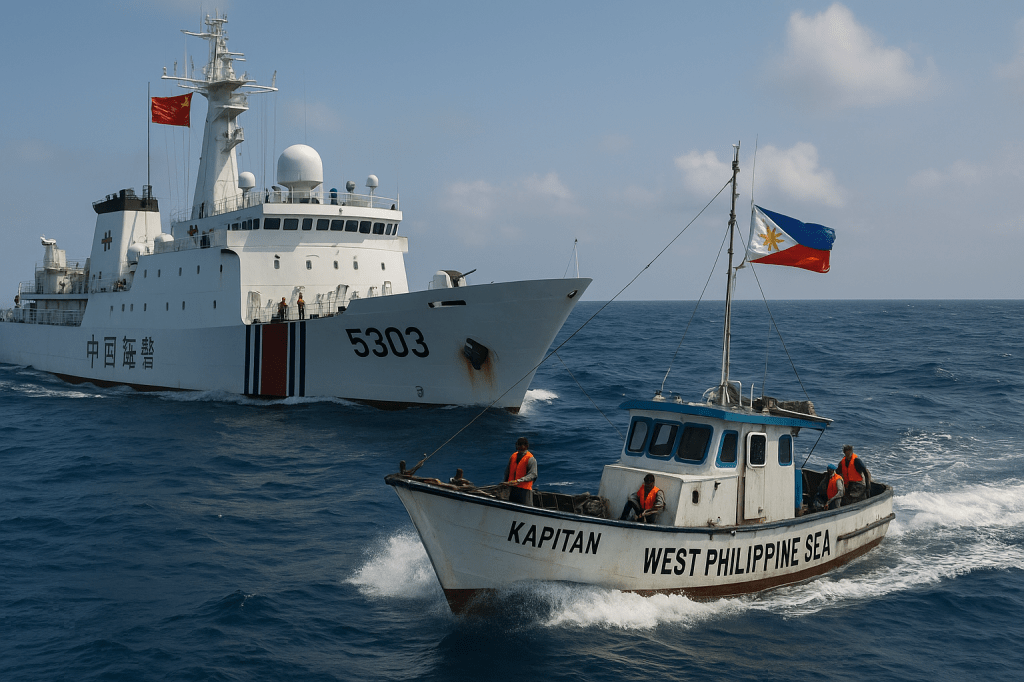
    Tensions flared again in the West Philippine Sea when Philippine and Chinese vessels collided near Scarborough Shoal on September 16, 2025. According to Manila, Chinese coast guard ships used high-powered water cannons against a Philippine resupply vessel, shattering glass on the bridge, damaging critical equipment, and injuring at least one crew member. China, for its part, accused the Philippines of “illegally” entering its waters and even claimed Manila rammed one of its ships—an allegation firmly denied by Philippine officials.

    This confrontation followed China’s unilateral declaration of a “national nature reserve” at Scarborough Shoal just days earlier. Filipino fishermen and government leaders saw this as an attempt to further tighten Beijing’s grip on a vital fishing ground that lies well within the Philippines’ Exclusive Economic Zone under international law and the 2016 Hague tribunal ruling.

    How Nations Responded

    Philippines: Manila lodged a strong diplomatic protest and ramped up patrols in contested waters. At home, protests over corruption added to the sense of urgency in defending national interests.

    China: Beijing justified its moves as “environmental” but in practice deployed coast guard and maritime militia vessels to enforce its claims, warning the Philippines against “provocations.”

    Allies & Partners:

    • The United States reiterated its defense commitments, condemning China’s actions.
    • Australia, Canada, Japan, and the UK voiced concern and pledged continued support for international law.
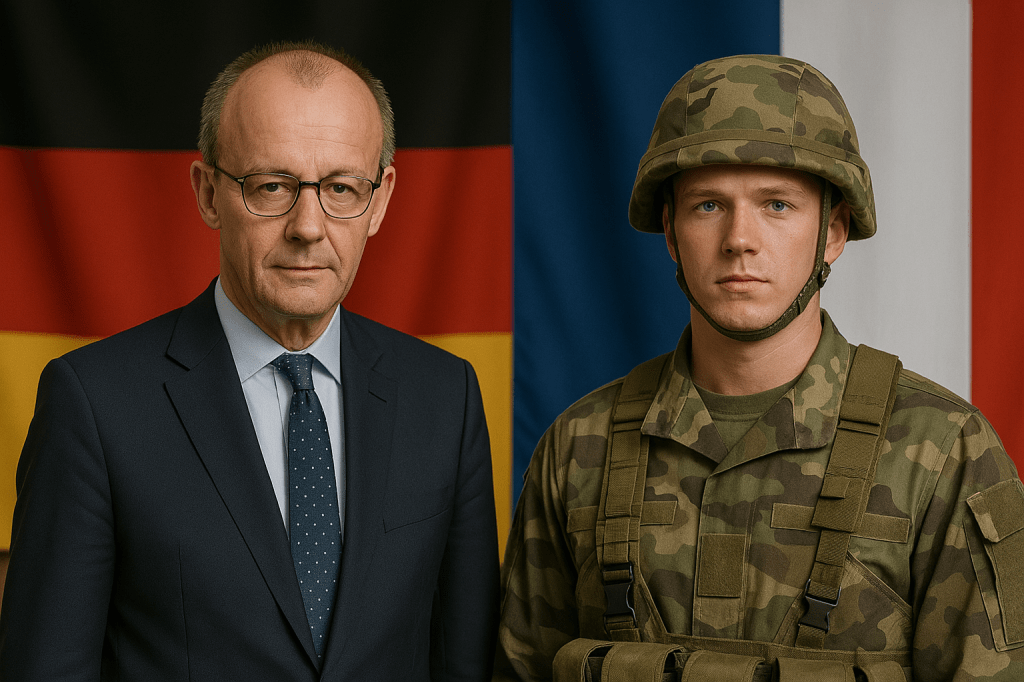
    • Germany and France are deepening defense ties with Manila. The UK is even exploring a Visiting Forces Agreement to allow closer military cooperation.

    What to Expect in the Next 3–5 Years

    The Philippines is investing heavily in its navy and coast guard, acquiring new frigates, offshore patrol vessels, and long-range missile systems like the BrahMos. It is also strengthening defense partnerships with allies from Asia, North America, and Europe. These steps will improve deterrence, but they cannot fully offset China’s overwhelming naval power.

    The likely trajectory is continued gray-zone conflict: water cannons, rammings, blockades, and the creation of more “facts on the ground” by China. At the same time, broader coalitions—Philippines with the U.S., Japan, Australia, the UK, and even select EU states—will increase naval patrols and exercises. Expect more incidents, more diplomatic protests, and a slow but steady militarization of the West Philippine Sea.

    The Long-Term Outlook: Prophecy and the Coming Clash

    While today the flashpoint is between the Philippines and China, the Bible shows that the stage is being set for something far greater. Prophecy in the book of Revelation describes a time when two great power blocs will dominate the world scene:

    • On one side, a resurrected Roman Empire, a powerful federation that will evolve out of today’s European Union.
    • On the other side, a vast eastern alliance led by powers like China and its allies.

    The South China Sea, a vital artery of global trade and security, could very well be one of the hot spots where these rival blocs collide. Scripture warns that this confrontation will erupt into a catastrophic war threatening the very survival of humanity (Matthew 24:21–22).

    But God has not left humanity without hope. Jesus Christ will intervene to stop world war from annihilating mankind. He will establish the Kingdom of God on earth, bringing true justice, security, and lasting peace—a peace no human power can achieve on its own.

    A Call to Repentance and Preparation

    In the meantime, God is calling individuals to repent, turn from sin, and live in obedience to His laws. The worsening conflicts, corruption, and rivalries we see today are signs of a world cut off from God. Yet for those who listen and respond, these events can serve as a wake-up call—a reminder to prepare for the soon-coming government of God, which will finally bring peace to all nations.
  • The “Freeloader” Fallacy and the Unraveling of the World America Built

    The “Freeloader” Fallacy and the Unraveling of the World America Built

    In recent years, voices from within the United States—most prominently in the current administration of President Donald Trump—have labeled America’s European allies as “freeloaders.” This sentiment, recently reinforced by leaked chats from senior U.S. defense officials, suggests that the U.S. is unfairly burdened by its role as the world’s security guarantor, while allies reap the benefits without paying their fair share.

    But this view, while emotionally resonant in a time of rising nationalism and budget pressures, fails to recognize a deeper historical truth: the so-called “freeloading” arrangement was designed by the United States itself after World War II.

    America’s Strategic Design After World War II

    When the dust of WWII settled, the United States stood as the dominant power in a shattered world. Europe lay in ruins. Germany, the nation that had ignited two world wars, was disarmed and divided. The Soviet Union, though an ally during the war, quickly emerged as a global ideological and military threat, expanding its grip over Eastern Europe and seeking to export communism globally.

    To prevent a third world war—and to contain the spread of Soviet communism—the U.S. devised a grand strategy. It would serve as a global security umbrella, deploying its vast military and nuclear power to deter aggression in both Europe and Asia.

    But this security guarantee came with conditions.

    Why the U.S. Took on the Burden

    In Europe, the U.S. created NATO in 1949, a collective defense alliance that essentially declared: “If the Soviets invade, America will respond.” This meant stationing tens of thousands of troops in Germany and elsewhere—not to dominate Europe, but to protect it, while also ensuring that Germany would never again re-arm on its own and potentially start another global war.

    The U.S. didn’t stop in Europe. In Asia, the United States went even further: it wrote Japan’s post-war constitution, explicitly forbidding it from maintaining offensive military forces. In exchange, the U.S. promised to defend Japan from any external threats. This kept the peace in the Pacific and ensured that Japan, once an imperial power, would remain a pacifist state under American protection.

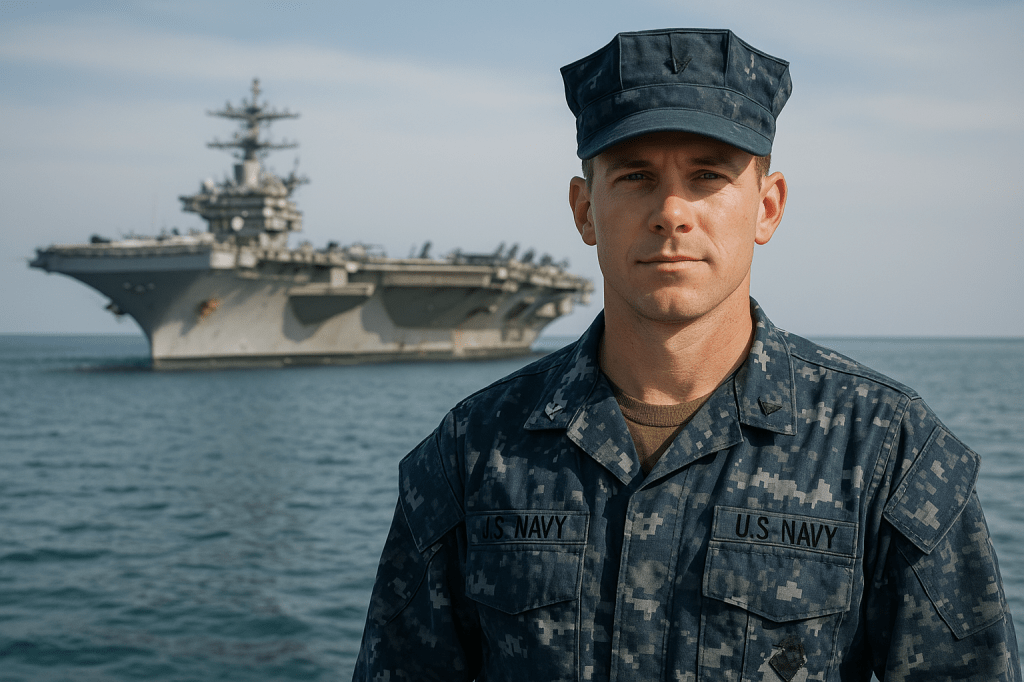
    Aside from maintaining military presence in various points around the globe, this also meant that the U.S. Navy would patrol the world’s oceans and major trade routes, ensuring they remained open and secure for international commerce. This naval presence guaranteed that goods, products, energy supplies, and even people could travel safely across seas and continents, under the protection of a rules-based order that the U.S. enforced. In effect, the United States became the maritime guardian of global trade, allowing the modern economy to flourish.

    The Global Bargain

    What did America get in return?

    Quite a lot.

    These countries, under the U.S. defense umbrella, pledged to:

    • Side with the United States in the ideological and military contest of the Cold War. 
    • Maintain for the most part (or at least at the surface) democratic forms of governance, compatible with American values and institutions. 
    • Participate in a global economic system centered on free trade, the U.S. dollar, and open access to American markets, capital, and technology. 

    This arrangement created decades of global stability, fueled unprecedented economic growth, and cemented America’s leadership role in the world. Allies didn’t have to spend massive portions of their GDP on defense, because America did it for them—intentionally, and as a strategic choice.

    But this system also worked immensely in America’s favor:

    • It helped defeat the former Soviet Union.
    • It generated vast wealth for the United States.
    • It gave America access to the natural resources, talent, savings, and investments of allied nations.
    • It kept the U.S. economy resilient, allowing it to absorb shocks during oil crises, recessions, and financial collapses because the global economy was effectively built around it.

    This wasn’t just charity. It was a mutually beneficial arrangement that secured the U.S. economy and reinforced its global dominance across finance, technology, and military affairs.

    The Trump Doctrine and the Unraveling Order

    Enter the 21st century, and with it, growing discontent. Successive U.S. administrations urged allies to increase defense spending, but President Trump went further—publicly ridiculing NATO partners, questioning America’s commitment to mutual defense, and suggesting that the U.S. might not come to their aid.

    The recent leaks of U.S. defense officials calling allies “freeloaders” is not new rhetoric—it is the continuation of a growing American retrenchment from the very system it built. This shift is not just about burden-sharing; it’s about dismantling a world order that was held together by American security guarantees and economic leadership.

    And the consequences are enormous.

    As America pulls back:

    • Germany is rearming—a move unthinkable just a decade ago.
    • Japan is building new missile capabilities, breaking with its pacifist tradition.
    • France and others are openly discussing European “strategic autonomy,” no longer counting on U.S. support.

    The global system is fragmenting. Old alliances are fraying, and new coalitions may rise—not because of shared values, but based on shared interests, geography, or ethnicity. The future could very well be a world of competing blocs, exclusive clubs, and permanent insecurity.

    A Nation in Decline—By God’s Hand

    It is tempting to see all this purely through the lens of geopolitics. But for those who understand biblical prophecy, something deeper is taking place.

    America’s decline is not merely the result of policy decisions or shifting public opinion—it is a judgment from God.

    “My people are destroyed for lack of knowledge. Because you have rejected knowledge, I also will reject you… I will change their glory into shame.”  (Hosea 4:6–7)

    God blessed America with power, influence, and prosperity—but as the nation increasingly turns from Him, He is taking away its leadership role, allowing other powers to rise in its place. Whether those nations will be friendly or adversarial remains to be seen—but they will not uphold the same values or provide the same guarantees.

    What we are witnessing is not just the collapse of a U.S.-led global system. We are witnessing a divine reshaping of the world order, as foretold in Scripture.

  • A World on Its Own: How U.S. Isolationism Could Ignite Nuclear Proliferation

    A World on Its Own: How U.S. Isolationism Could Ignite Nuclear Proliferation

    In the decades following World War II, the United States took on the role of global guarantor—projecting power, maintaining trade routes, and most crucially, protecting smaller and less powerful democratic nations from aggression. But what happens if America turns inward, choosing isolation over engagement?

    This question is no longer hypothetical.

    In recent years, a shift in American foreign policy—highlighted most strongly during the Trump administration—has signaled to allies that the era of unconditional security guarantees may be waning. And if these trends continue, we could see a more dangerous world unfold, one where countries feel forced to go nuclear.

    And according to the Bible, this dangerous trajectory is no surprise.

    The Domino Effect: When Trust in U.S. Security Wanes

    For decades, countries like Japan, South Korea, and Germany chose not to develop nuclear weapons—not because they couldn’t, but because they didn’t need to. America’s military umbrella offered them credible protection from hostile neighbors.

    But that trust has eroded.

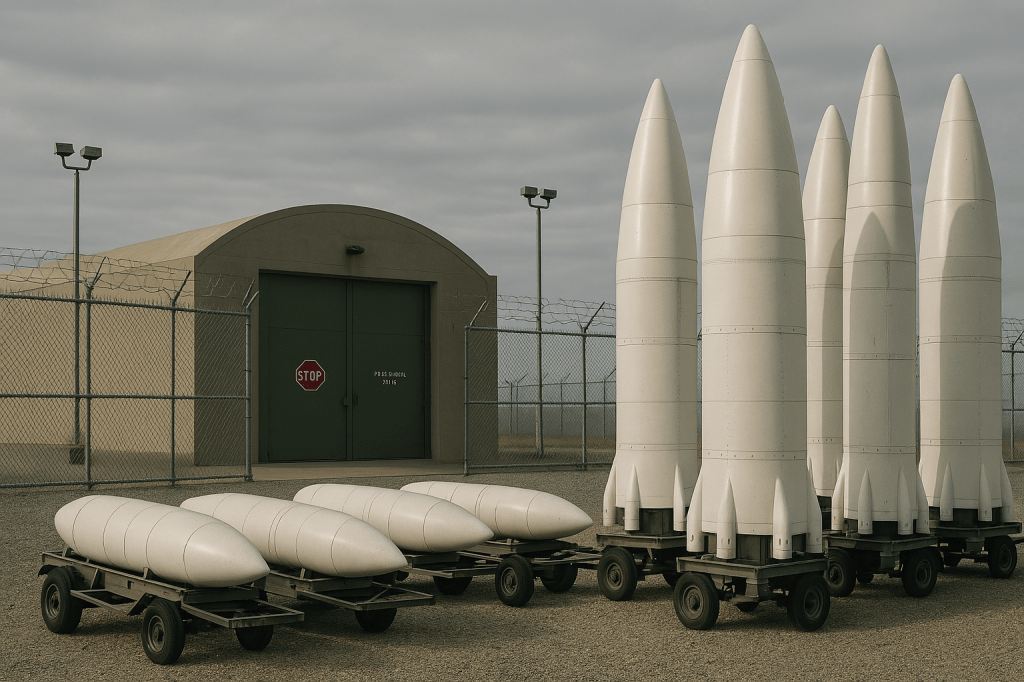
    Donald Trump’s “America First” stance—and his questioning of NATO, U.S.-Korea defense cost-sharing, and alliances in Asia—sent shockwaves through the post-war security order. In a world where nations are expected to defend themselves, nuclear weapons are seen as the ultimate equalizer: cost-effective, fearsome, and a powerful deterrent.

    Here’s a look at the nations most likely to reconsider their nuclear stance:

    Countries Most Likely to Pursue Nuclear Weapons

     South Korea:

    • Stage: Actively debating nuclear options; majority public support for it.
    • Why: North Korea already has nukes. Trust in U.S. intervention is weakening.
    • Risk: Moderate to high. A South Korean bomb could spark a Northeast Asian arms race with Japan and possibly Taiwan.

     Japan:

    • Stage: Technically capable, politically restrained.
    • Why: China’s aggression and North Korea’s missile tests. Historical trauma from Hiroshima and Nagasaki still casts a long shadow.
    • Risk: Low for now, but a shift in public sentiment could change that rapidly if U.S. protection falters.

    Saudi Arabia:

    • Stage: Publicly stated it will go nuclear if Iran does. Working on enrichment capabilities.
    • Why: Regional rivalry with Iran, and increasing skepticism about U.S. staying power in the Gulf.
    • Risk: High. A Saudi nuclear weapon could spark proliferation across the Middle East—Egypt, Turkey, and even the UAE may follow.

    Taiwan:

    • Stage: Highly sensitive; has considered it historically.
    • Why: Threatened daily by China. Lacks formal U.S. defense treaty.
    • Risk: Very high. If Taiwan were to go nuclear, China could strike preemptively.

    Germany and NATO Europe:

    • Stage: Low, but not unthinkable. Some discussion of a “Eurodeterrent.”
    • Why: Russian aggression and fading U.S. leadership in NATO.
    • Risk: Moderate in the long term, especially if U.S. military presence in Europe is significantly reduced.

     The Dangers of a Nuclear Multipolar World

    Unlike the Cold War—with its terrifying but stable balance between the U.S. and the USSR—a multipolar nuclear world is inherently unstable. Here’s why:

    • More fingers on the trigger means more room for miscalculation, miscommunication, or panic during crises.
    • New nuclear states may lack the command and control systems to prevent accidental launches or rogue actions.
    • The temptation to strike first becomes stronger if countries fear a decapitating attack on their limited nuclear arsenals.
    • No central authority or treaty structure is strong enough today to manage so many nuclear actors.

    If the U.S. fully retreats from its role as the “security balancer,” the world may rapidly become a far more volatile and unpredictable place.

    A Prophetic Warning from Scripture

    What’s even more sobering is that the Bible foresaw a world like this—filled with fear, destruction, and the looming shadow of annihilation.

    Jesus Christ Himself gave a dire warning for the last days:

    “For then there will be great tribulation, such as has not been since the beginning of the world until this time, no, nor ever shall be. 

    And unless those days were shortened, no flesh would be saved; but for the elect’s sake those days will be shortened.”  Matthew 24:21–22 (NKJV)

    “No flesh would be saved.” Before the 20th century, that verse was almost poetic. But since the dawn of the nuclear age, it has become terrifyingly literal. Only in our modern era do we have the capacity to wipe out all life on Earth—something that aligns chillingly with Christ’s words.

    Hope Beyond the Chaos

    But this prophecy is not without hope. Christ said that for the elect’s sake, those days will be shortened. That means God will intervene before humanity completely destroys itself. His intervention will usher in the Kingdom of God—a time of peace, true justice, and righteous rule.

    The current chaos we see—the rising threat of nuclear war, the unraveling of international alliances, and the collapse of man-made peace—is not the end of the story. It is the beginning of the end of this world’s broken system.

    A new world is coming. And that’s the good news of the Kingdom of God.

  • The Divergent Paths of France and Germany on Ukraine: A Reflection of Prophecy

    The Divergent Paths of France and Germany on Ukraine: A Reflection of Prophecy

    The ongoing conflict between Ukraine and Russia has tested the unity of Europe in ways not seen since World War II. Among European nations, France and Germany—the two major powers of Western Europe—have demonstrated a complex relationship in their response to the war. While they agree on broad European security concerns, such as resisting Russian aggression and maintaining the stability of NATO, their approaches to specific policies reveal deep-seated differences. This divergence reflects more than just modern geopolitical strategies; it aligns with an ancient biblical prophecy found in the book of Daniel.

    France: The Bold Interventionist

    French President Emmanuel Macron has taken an assertive stance regarding Ukraine, going so far as to suggest that sending Western troops to Ukraine should not be ruled out. His approach is rooted in a historical French doctrine of military interventionism, seen in France’s past engagements in Africa and the Middle East. Macron envisions a strong and independent Europe, capable of acting decisively in world affairs without over-reliance on the United States.

    This proactive stance is not just about Ukraine; it is part of a broader strategy to make France the leader of European defense. Macron has been a vocal proponent of European strategic autonomy—an idea that Europe must be able to defend itself without always depending on Washington. His calls for military action reflect this vision, even as many European allies remain hesitant.

    Germany: The Cautious Diplomat

    On the other side stands Germany, a nation historically bound by a deep-rooted policy of caution in military matters. Chancellor Olaf Scholz has maintained a more reserved position, rejecting the idea of sending troops and focusing instead on arms supplies and economic sanctions. This caution is partially due to Germany’s post-World War II pacifist tendencies and its historical economic cooperation with Russia, particularly in the energy sector.

    Even in broader geopolitical movements, Germany’s reaction to recent U.S.-Russia peace negotiations—where European leaders and Ukraine were excluded—highlights its preference for multilateral diplomacy. Germany opposed the idea of such discussions taking place without European participation, emphasizing the need for unity in decision-making. Scholz’s government has aligned with other European nations in resisting unilateral U.S. moves that could impact the region’s security.

    Feet of Iron and Clay: A Biblical Parallel

    The contrasting positions of France and Germany serve as a modern-day representation of the prophecy in Daniel 2, where King Nebuchadnezzar saw a giant statue in a dream. The feet of this statue were described as being partly of iron and partly of clay, signifying a kingdom that is both strong and brittle, united in broad purpose but divided in execution.

    This imagery aptly describes the state of European power today. France and Germany are both essential pillars of the European Union and NATO. They agree on the need for European security, a strong defense against Russian expansion, and the broader principles of maintaining global order. Yet, when it comes to the specifics—how to achieve these goals, whether through military force or diplomatic restraint—they are at odds.

    A Future Pattern for the Revived Roman Empire

    This divided yet unified nature of Europe is not temporary; it is a prophetic pattern that will persist in the future. The Bible speaks of a coming revived Roman Empire—an end-time European power structure that will hold dominion over global affairs for a brief period before Christ’s return. The prophecy in Daniel indicates that this empire, like the feet of the statue, will be both strong and fragile.

    The current disagreements between France and Germany foreshadow the way this future power will operate. While it will be unified in broad goals, such as economic dominance and geopolitical influence, it will struggle with internal divisions on the details of governance, military intervention, and alliances. This ambivalence will characterize the final phase of European dominance before God’s intervention in world affairs.

    The war in Ukraine has revealed both the unity and fractures within Europe. France and Germany stand together in principle but diverge sharply in execution. This duality is not merely a quirk of modern politics—it is part of a long-prophesied structure that will culminate in the last days. As world events continue to unfold, students of prophecy should watch Europe closely. The feet of iron and clay are taking shape, and the stage is being set for the final chapter of human history before the Kingdom of God is established. As believers, we must remain vigilant, understanding that what we see today is part of God’s divine plan, moving toward the ultimate fulfillment of His Kingdom.