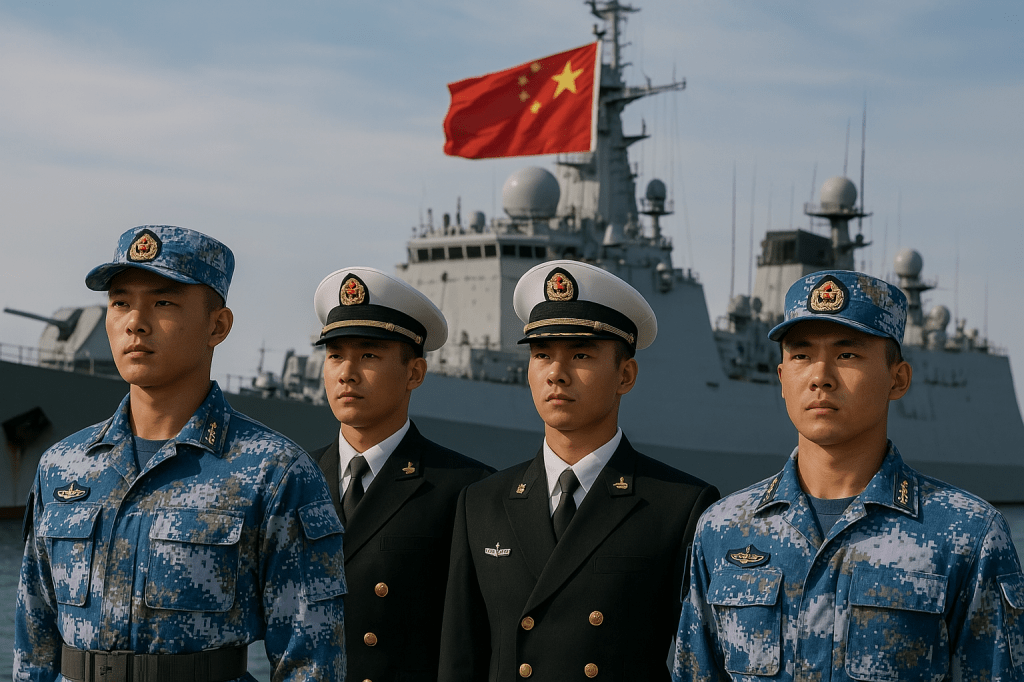
Tensions in the Western Pacific continue to rise, with the People’s Republic of China making increasingly assertive moves to expand its political and military footprint across the region. These developments have not gone unnoticed. In a recent and widely publicized statement, General Romeo Brawner Jr., Chief of Staff of the Armed Forces of the Philippines, issued a stark warning to Philippine troops, particularly those stationed in Northern Luzon: prepare for a possible Chinese invasion of Taiwan.
While this statement was quickly downplayed by the Marcos administration as precautionary rather than predictive, there is significant reason to believe that General Brawner’s warning is grounded in reality.
Concrete Moves on the Ground
China’s militarization of the South China Sea is no longer speculative. Artificial islands, equipped with runways, radar systems, and missile installations, now dot the once-empty waters of the Spratly and Paracel Islands. These installations give China not just a strategic advantage but also serve as de facto control points over a critical trade route through which about one-third of global maritime commerce passes.
In addition to these fixed positions, China has recently conducted aggressive military exercises both near Taiwan and, surprisingly, off the coast of Australia. These drills included simulated blockade and amphibious assault operations near Taiwan, and live-fire naval exercises in the Tasman Sea. Such actions send a clear signal: Beijing is testing its ability to project power far beyond its shores, and it wants the world to take notice.
Why Now?
Several factors contribute to this renewed assertiveness:
- China views Taiwan as a breakaway province and is determined to achieve reunification, a core tenet of President Xi Jinping’s long-term national vision.
- The South China Sea remains vital to China’s energy and trade security.
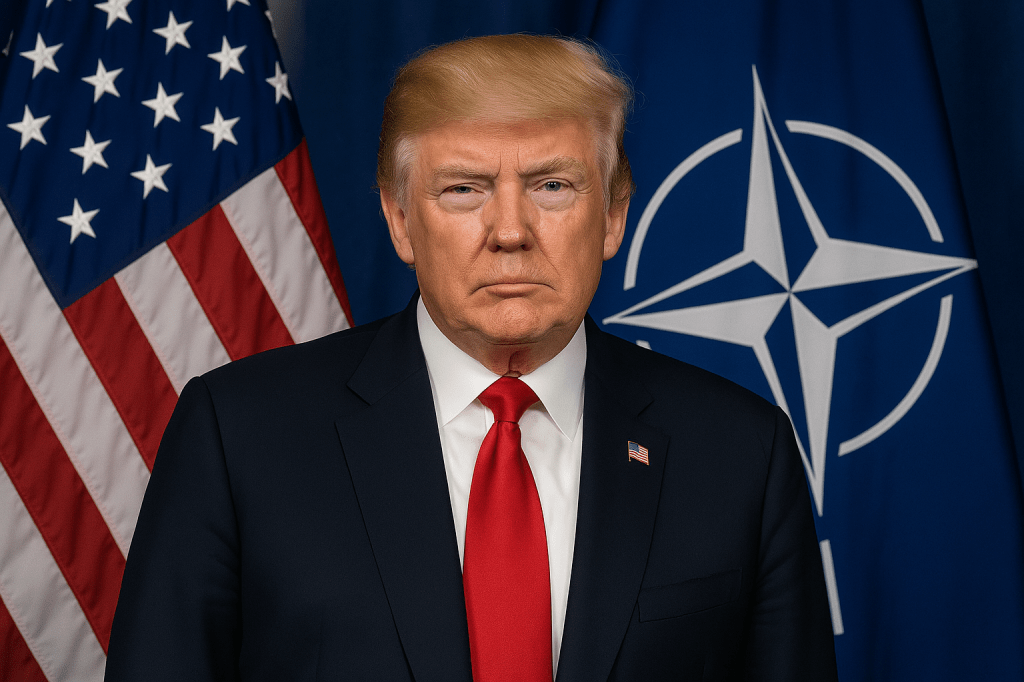
- Beijing is signaling strength amidst perceived U.S. retrenchment and the more transactional approach of current President Donald Trump, whose America-first policies have sometimes left allies questioning the reliability of U.S. support.
Reactions from the Region
Neighboring nations have not taken these developments lightly. The Philippines has revived and expanded its Enhanced Defense Cooperation Agreement (EDCA) with the United States, allowing for increased American troop presence and access to strategic bases. Japan, Australia, and India have strengthened security cooperation through the Quad alliance, while the AUKUS pact (Australia, the UK, and the U.S.) seeks to counterbalance Chinese naval dominance with advanced military technology sharing.
Even smaller Pacific nations are becoming geopolitical flashpoints, with countries like the Solomon Islands engaging in military and economic partnerships with Beijing, much to the concern of Canberra and Washington.
Yet, Limitations Remain
Despite its aggressive posture, China’s ambitions are tempered by serious internal and external challenges:
- Its economy is showing signs of strain due to demographic decline, real estate crises, and weakening consumer confidence.
- Taiwan is not defenseless; it has invested heavily in asymmetric warfare capabilities and enjoys substantial, if unofficial, military backing from the United States.
- A direct war with Taiwan could still invite U.S. intervention, along with its allies in the region, which Beijing may not yet be ready to face.
A Prophetic Perspective
From a biblical point of view, these rising tensions align with what the book of Revelation describes as a future global conflict involving massive armies from the east. Revelation 9:16 speaks of an army numbering 200 million. While China alone cannot field such a force, it is likely to form a future coalition with other eastern powers—most notably Russia and other countries whose current alliances may shift in the future.
This eastern bloc, referred to in another biblical prophecy as the “kings of the east” (Revelation 16:12), will engage in a climactic war with a future European superpower, a revived Roman Empire in the end times. This prophesied war will occur after the decline of Anglo-American global dominance. By that time, the United States, Britain, and their allies will no longer be military superpowers or influential world players.
This coming war between a European superpower and Asian nations will be so catastrophic that it would lead to the annihilation of humanity—if not for the divine intervention of Jesus Christ. As Matthew 24:22 says, “And unless those days were shortened, no flesh would be saved; but for the elect’s sake those days will be shortened.”
The Only Source of True Peace
The rise of Chinese militarism, the shifting of alliances, and the erosion of trust in old superpowers all point to a volatile world on the brink of unprecedented conflict. While human efforts at peace continually fall short, Bible prophecy assures us that God will intervene. Christ will return to put an end to human misrule and establish the Kingdom of God on earth—a government of true peace, justice, and righteousness (Isaiah 9:6-7).
Until then, we must remain vigilant observers of global events, guided not by fear, but by faith in the sure word of prophecy and the hope of God’s coming Kingdom.